
Introduction
Stainless steel ties are essential components in construction, electrical, and industrial applications. Known for their exceptional strength, corrosion resistance, and durability, they help secure cables, pipes, and various structural elements safely and efficiently. However, proper installation is crucial to maximize their performance and ensure safety. This article outlines best practices and safety tips for installing stainless steel ties.
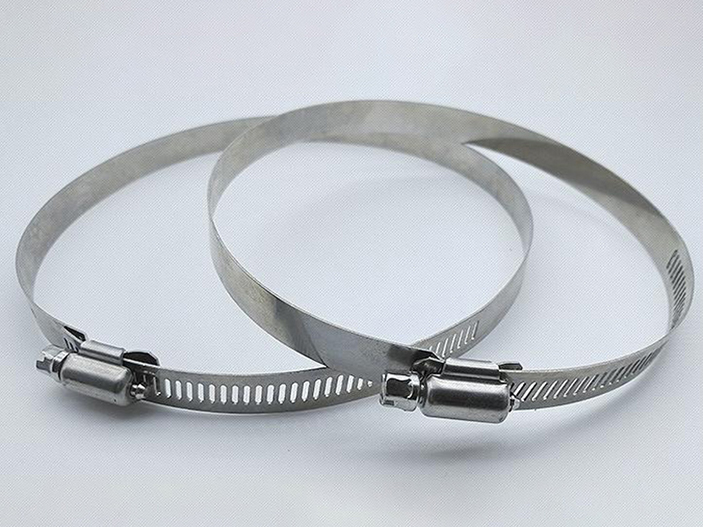
What Are Stainless Steel Ties?
Stainless steel ties are fasteners made from high-quality stainless steel, designed to secure objects together. They are commonly used in:
Electrical installations to bundle wires and cables
Plumbing systems for pipe management
Construction projects for structural support
Industrial settings for equipment stabilization
Their key advantages include long-lasting durability, resistance to rust and corrosion, and the ability to withstand extreme temperatures.
Best Practices for Installing Stainless Steel Ties
1. Choose the Right Size and Type
Selecting the appropriate size and type of stainless steel tie is the first step. Consider:
Width and thickness: Thicker ties provide more strength.
Length: Ensure the tie is long enough to secure the items without excessive slack.
Type: Some ties are designed for high-temperature environments or heavy loads.
2. Inspect Materials Before Use
Always check ties for defects such as sharp edges, cracks, or corrosion. Even stainless steel can have surface flaws if mishandled or stored improperly.
3. Proper Alignment and Placement
Position ties evenly to distribute pressure.
Avoid overlapping or twisting ties excessively, as this can weaken their strength.
Keep a consistent tension to ensure stability without damaging the bundled materials.
4. Use the Right Tools
For manual installations, use hand-tightening tools or pliers designed for stainless steel ties.
For larger projects, a tensioning tool or cable tie gun ensures uniform tension and reduces the risk of injury.
5. Avoid Over-Tightening
Over-tightening can damage cables, pipes, or structural elements. Tighten just enough to secure the items firmly without crushing or deforming them.
Safety Tips When Installing Stainless Steel Ties
Wear protective gloves: Stainless steel edges can be sharp and may cause cuts.
Eye protection: When cutting excess tie lengths, small fragments can fly off.
Work in a stable environment: Ensure ladders or scaffolds are secure when working at heights.
Use proper cutting tools: Avoid using makeshift cutters, which can create uneven cuts or sparks.
Dispose of cut ends safely: The leftover tie ends are sharp; place them in a container to prevent injuries.
Maintenance and Inspection
Even stainless steel ties require occasional inspection:
Check for loosening over time, especially in high-vibration environments.
Replace any ties that show signs of wear, corrosion, or damage.
Keep installation areas clean to prevent accidental injuries.
Conclusion
Proper installation of stainless steel ties is essential for safety, reliability, and longevity in any project. By selecting the right type, using appropriate tools, and following best practices and safety guidelines, you can ensure secure and durable installations that stand the test of time.
Investing time in correct installation not only protects your assets but also ensures compliance with safety standards and reduces maintenance needs in the long term.
FAQ
- What materials can stainless steel ties be used on?
Stainless steel ties are versatile and can secure wires, cables, pipes, and even structural elements in construction, plumbing, electrical, and industrial applications. - Can stainless steel ties be reused?
Generally, stainless steel ties are designed for single use. Once tightened, they are difficult to remove without cutting. Reusing them can compromise strength and safety. - How do I choose the right stainless steel tie for my project?
Consider the load, size, environment, and temperature conditions. Thicker and wider ties are better for heavy loads, while specific grades resist extreme temperatures and corrosion. - Are there any safety precautions I should take?
Yes. Always wear protective gloves and eye protection, avoid over-tightening, use proper cutting tools, and safely dispose of cut ends to prevent injuries. - How often should stainless steel ties be inspected?
Regular inspections are recommended, especially in high-vibration or outdoor environments. Replace any ties showing signs of wear, corrosion, or loosening. - Can stainless steel ties be used outdoors?
Absolutely. High-quality stainless steel ties are corrosion-resistant and suitable for outdoor and harsh environmental conditions.