
Introduction
Fiber optic networks are the backbone of modern communication systems, providing high-speed data transmission for internet, telecom, and smart city applications. While fiber optic cables themselves are critical, the supporting hardware—particularly optical cable tension brackets—plays an equally important role in network reliability.
Tension brackets ensure mechanical stability, proper tension, and secure mounting of fiber optic cables and accessories, making them essential in aerial and pole-mounted installations.
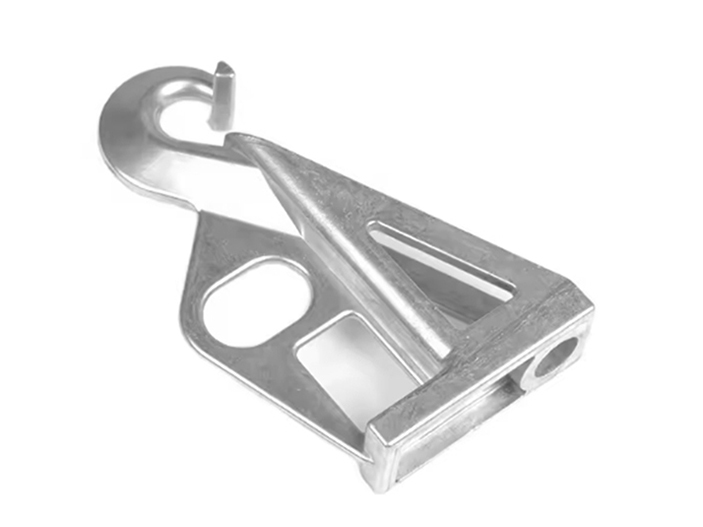
Mechanical Load Support
One of the most important features of optical cable tension brackets is their ability to bear mechanical loads.
Key aspects:
Support for aerial cables under tension
Load distribution across poles or towers
Resistance to wind, ice, and environmental forces
By maintaining the structural integrity of the network, tension brackets prevent cable sagging, bending, and fiber breakage.
Compatibility with Optical Cable Accessories
Optical cable tension brackets are designed to match specific fiber optic accessories, such as:
Splice closures
Splitters
Junction boxes
Benefits:
Secure and stable mounting
Proper alignment of fibers inside accessories
Reduced risk of mechanical stress or signal degradation
Compatibility ensures efficient and safe installations, particularly in large-scale or dense network deployments.
Corrosion and Environmental Resistance
Most tension brackets are manufactured from aluminium alloy, stainless steel, or UV-resistant polymer, providing excellent resistance to:
Corrosion from moisture, salt, or industrial pollutants
UV degradation from sunlight
Temperature fluctuations and ice loads
This durability makes them ideal for outdoor and harsh environmental installations, extending the service life of both cables and accessories.
Lightweight Construction
A key feature of modern optical cable tension brackets is their lightweight design, often achieved with aluminium alloys or high-performance polymers.
Advantages:
Easier handling and installation
Reduced labor and equipment requirements
Minimal additional load on poles or support structures
Lightweight brackets simplify deployment in aerial and urban environments.
Adjustable and Flexible Mounting
Many optical cable tension brackets feature adjustable mounting options that allow:
Angled installations for pole or tower alignment
Flexible positioning of cable accessories
Adaptation to various cable diameters and accessory sizes
This versatility ensures a customized fit, optimizing cable tension and network stability.
Long-Term Reliability
High-quality optical cable tension brackets are designed to maintain consistent tension and structural integrity over years of service.
Contributing factors:
Durable materials and coatings
Stable mechanical design to resist environmental forces
Minimal maintenance requirements
Reliable tension brackets help reduce network downtime and minimize fiber damage over the life of the installation.
Safety Features
Optical cable tension brackets also enhance installation and operational safety:
Secure mounting prevents accidental displacement or fiber stress
Smooth edges and protective coatings reduce injury risk during installation
UV and corrosion resistance prevents premature failure
Safe and durable hardware protects both technicians and network performance.
Conclusion
Optical cable tension brackets are a small but critical component in fiber network installations. Their key features—mechanical load support, accessory compatibility, environmental resistance, lightweight construction, adjustable mounting, long-term reliability, and safety—ensure that fiber optic cables and accessories are secure, properly tensioned, and protected.
Investing in high-quality tension brackets not only enhances network stability and longevity but also reduces maintenance costs and improves overall system performance.
FAQ
1. What is an optical cable tension bracket?
An optical cable tension bracket is a mechanical accessory used to secure fiber optic cables and accessories (such as splice closures or splitters) and maintain proper cable tension in fiber optic network installations.
2. Why is compatibility with optical cable accessories important?
Matching the tension bracket to specific accessories ensures:
Secure and stable mounting
Proper fiber alignment
Reduced mechanical stress and signal degradation
This is crucial for maintaining network performance and longevity.
3. What materials are used in optical cable tension brackets?
Common materials include:
Aluminium alloy for lightweight strength
Stainless steel for high mechanical durability
UV-resistant polymers for corrosion and environmental protection
These materials ensure long-term reliability in outdoor installations.
4. How do optical cable tension brackets protect fiber optic cables?
They protect cables by:
Maintaining proper tension to prevent sagging
Absorbing mechanical stress from wind, ice, and environmental loads
Securing mounted accessories to avoid accidental movement
This reduces the risk of fiber breakage and signal loss.
5. Are optical cable tension brackets suitable for outdoor environments?
Yes. High-quality brackets are designed to withstand UV exposure, moisture, temperature fluctuations, and corrosion, making them ideal for outdoor aerial networks.
6. Can the mounting of optical cable tension brackets be adjusted?
Yes. Many tension brackets feature adjustable mounting options, allowing flexible installation for different pole angles, cable diameters, and accessory sizes, ensuring optimal network stability.