
Introduction
In modern electrical systems, organization, safety, and reliability are crucial. One often overlooked component that plays a significant role in achieving these goals is the Low Voltage Wire Accessories Bracket. From residential wiring to complex commercial installations, these brackets provide a practical solution for managing wires efficiently and safely. In this article, we’ll explore what these brackets are, their types, and how they enhance electrical installations.
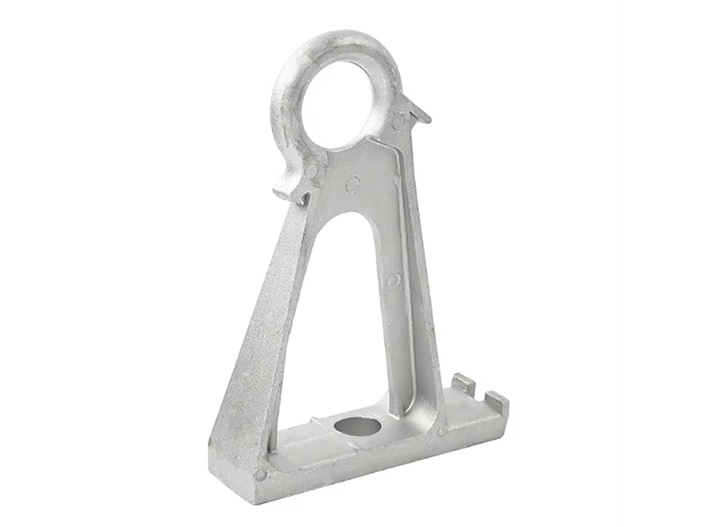
What Is a Low Voltage Wire Accessories Bracket?
A Low Voltage Wire Accessories Bracket is a specialized support component used to secure and organize low-voltage cables, such as control wires, communication lines, or lighting circuits. These brackets are designed to:
Hold multiple wires in place
Prevent tangling or damage
Maintain proper spacing between cables
Improve overall system safety and aesthetics
They are usually made of durable materials such as plastic, aluminum alloy, or steel, ensuring long-lasting performance even in challenging environments.
Types of Low Voltage Wire Accessories Brackets
Low voltage wire brackets come in various types to suit different installation needs:
Wall-Mount Brackets
Designed for mounting cables along walls or panels, these brackets keep wiring neat and accessible.
Ceiling or Overhead Brackets
Ideal for routing wires above ceilings or along conduits in commercial buildings.
Rail or DIN-Mount Brackets
Commonly used in control panels and electrical cabinets for organizing multiple wire runs.
Adjustable or Modular Brackets
Flexible designs allow installers to add or remove wires easily, accommodating future system expansions.
Benefits of Using Low Voltage Wire Accessories Brackets
Integrating wire accessories brackets into your low-voltage system provides several key advantages:
1. Enhanced Safety
Properly securing wires reduces the risk of short circuits, electrical fires, or accidental disconnections. It also minimizes stress on connectors and terminals.
2. Improved Organization
Brackets keep wires neatly arranged, making it easier for technicians to identify, trace, and troubleshoot cables during maintenance.
3. Time and Cost Efficiency
A well-organized wiring system speeds up installation and reduces errors. Maintenance is faster, which translates into lower long-term operational costs.
4. Durability and Reliability
Brackets prevent wires from bending, twisting, or rubbing against rough surfaces, prolonging the lifespan of both cables and electrical components.
5. Professional Appearance
In both residential and commercial settings, organized wiring not only ensures safety but also improves the visual appeal of electrical installations.
Installation Tips for Low Voltage Wire Accessories Brackets
To maximize the benefits of these brackets, consider the following best practices:
Plan Your Layout – Determine wire routes before installation to avoid unnecessary bends or overlaps.
Use Appropriate Bracket Types – Match the bracket to the wire type, load, and installation environment.
Secure Brackets Firmly – Ensure brackets are tightly mounted to walls, panels, or rails.
Allow for Expansion – Leave space for future cable additions or modifications.
Follow Safety Standards – Always comply with local electrical codes and standards for low-voltage installations.
Conclusion
A Low Voltage Wire Accessories Bracket may seem like a small component, but its impact on electrical installations is significant. By enhancing safety, organization, and efficiency, these brackets are an essential part of any modern low-voltage system. Whether you’re an installer, engineer, or DIY enthusiast, incorporating high-quality wire brackets ensures a reliable and professional result.
FAQ
Q1: Can low-voltage wire brackets be used for high-voltage cables?
A: No, they are specifically designed for low-voltage wiring. High-voltage systems require brackets rated for higher insulation and safety standards.
Q2: Are these brackets reusable?
A: Many brackets, especially modular types, can be reused or adjusted for new installations.
Q3: What materials are best for low-voltage wire brackets?
A: Durable plastics, aluminum, and steel are common. Choose based on the installation environment and load requirements.