
Introduction
Forged copper and aluminum bimetal lugs are essential components in modern electrical systems, providing reliable connections between aluminum and copper conductors. Proper maintenance ensures long-term performance, safety, and efficiency in power distribution networks. In this article, we explore key maintenance tips to maximize the lifespan and reliability of forged bimetal lugs.
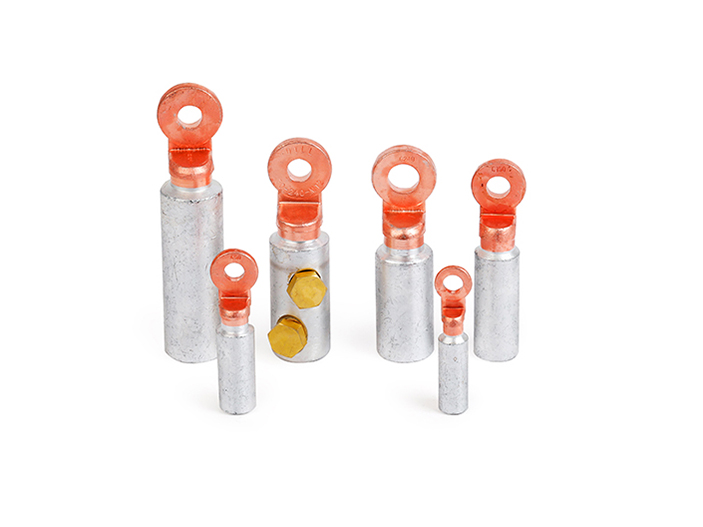
Regular Inspection
Routine inspections are critical to detect early signs of wear or damage. Look for:
Signs of corrosion or oxidation
Loose connections or improper crimping
Overheating marks or discoloration
Clean Conductors and Terminals
Aluminum conductors naturally form an oxide layer, which can reduce conductivity. Clean the terminal and conductor surfaces during maintenance:
Use a wire brush or suitable cleaning solution to remove oxidation
Ensure the surfaces are dry and free from dust or debris before reassembly
Apply Anti-Oxidation Compounds
To protect aluminum-copper connections, apply a suitable anti-oxidation compound on the conductor before crimping the lug.
Benefits:
Prevents galvanic corrosion
Maintains low electrical resistance
Extends the life of the connection
Check and Retighten Connections
Thermal expansion and contraction can loosen connections over time, especially in high-current applications.
Protect Terminals from Environmental Exposure
Environmental factors such as moisture, chemicals, and salt can accelerate corrosion. To prevent this:
Use heat shrink tubing or insulating tape to cover exposed terminals
Avoid direct exposure to water or corrosive substances
Install protective covers in outdoor or industrial environments
Monitor Thermal Performance
Overheating can indicate a problem with the connection. Check for:
Discoloration on the lug or conductor
Excessive heat during operation
High resistance readings
Follow Manufacturer Guidelines
Always refer to the manufacturer’s recommendations for maintenance schedules, torque specifications, and cleaning methods. Forged bimetal lugs are precision components, and following guidelines ensures optimal performance.
Conclusion
Regular maintenance of forged copper and aluminum bimetal lugs is essential for safe, efficient, and long-lasting electrical connections. By inspecting, cleaning, protecting, and properly retightening terminals, engineers and electricians can prevent failures, reduce energy loss, and extend the life of power distribution systems. Proper maintenance not only improves reliability but also enhances the overall safety of the electrical network.
FAQ
Q1: What are forged copper and aluminum bimetal lugs?
A: Forged copper and aluminum bimetal lugs are electrical connectors designed to safely join aluminum and copper conductors. They combine the mechanical strength of forged metal with the corrosion-resistant properties of bimetal construction.
Q2: Why is maintenance important for bimetal lugs?
A: Proper maintenance ensures long-term electrical performance, prevents galvanic corrosion, reduces energy loss, and avoids overheating or connection failures in power distribution systems.
Q3: How often should I inspect forged bimetal lugs?
A: Regular inspections are recommended, particularly in high-load or outdoor environments. Look for signs of corrosion, loose connections, discoloration, or overheating.
Q4: How should I clean copper-to-aluminum connections?
A: Clean the terminal and conductor surfaces using a wire brush or suitable cleaning solution to remove oxidation. Avoid abrasive methods that can damage the metal surface, and ensure the area is dry before reassembly.
Q5: What is the role of anti-oxidation compounds?
A: Anti-oxidation compounds prevent galvanic corrosion between aluminum and copper conductors, maintain low electrical resistance, and extend the life of the bimetal connection.
Q6: How do I ensure proper mechanical strength of the connection?
A: Use a calibrated torque wrench to tighten bolts or screws according to manufacturer specifications. Avoid overtightening to prevent damage to the forged terminal.
Q7: How can I protect bimetal lugs from environmental factors?
A: Use insulating tape or heat shrink tubing to cover exposed terminals, avoid direct exposure to moisture or chemicals, and consider protective covers for outdoor or industrial installations.
Q8: Can forged bimetal lugs handle high current loads?
A: Yes, the forged design provides excellent thermal and mechanical performance, making them suitable for high-current applications without risk of overheating or loosening.