
Introduction
Insulation Piercing Ground Connectors (IPGCs) play a critical role in modern electrical grounding systems. Their ability to establish reliable electrical contact without removing cable insulation makes them widely used in overhead lines, distribution networks, and utility grounding applications.
One of the key factors that determines the performance, safety, and lifespan of an IPGC is the materials used in its construction.
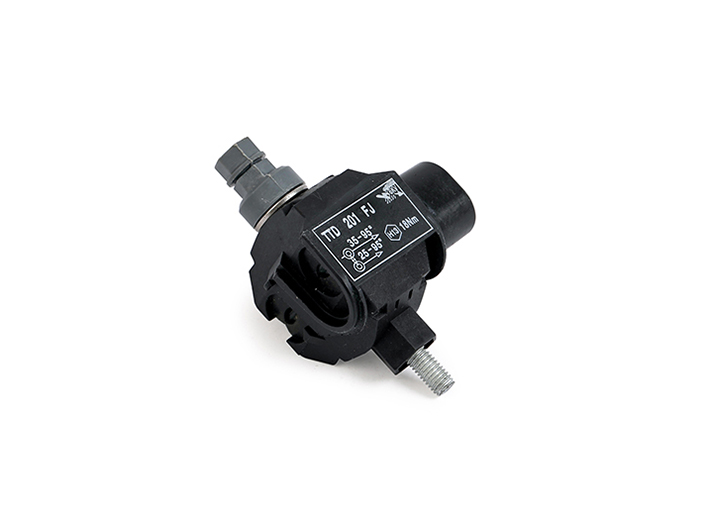
Conductive Contact Materials
Aluminum Alloy
Aluminum alloy is one of the most commonly used conductive materials in IPGCs, especially for overhead power distribution systems.
Benefits:
Excellent electrical conductivity-to-weight ratio
Lightweight, reducing mechanical load on conductors
Good corrosion resistance when properly treated
Compatible with aluminum conductors commonly used in power lines
Aluminum alloys are ideal for low and medium voltage grounding applications where efficiency and cost-effectiveness are important.
Copper or Copper Alloy
Copper and copper alloys are often used in grounding connectors that require higher conductivity or compatibility with copper conductors.
Benefits:
Superior electrical conductivity
Stable performance under high fault currents
Excellent thermal resistance
Strong and durable contact surface
Copper-based IPGCs are typically used in applications demanding higher reliability or lower contact resistance.
Piercing Teeth and Contact Elements
Tinned Copper or Treated Aluminum Teeth
The piercing teeth are the most critical components of an insulation piercing ground connector, as they directly penetrate the insulation and contact the conductor.
Benefits:
Sharp, durable structure ensures clean insulation penetration
Surface treatments (tin plating or anti-oxidation coatings) reduce contact resistance
Improved long-term electrical stability
These materials ensure consistent electrical contact even after years of exposure to environmental stress.
Fastening Components
Stainless Steel Bolts and Screws
Bolts and screws in IPGCs are usually made from stainless steel or specially treated steel.
Benefits:
Excellent corrosion resistance in outdoor environments
High mechanical strength for secure tightening
Stable torque retention over time
Stainless steel fasteners ensure that the connector maintains proper pressure on the conductor, preventing loosening and performance degradation.
Insulating Housing Materials
UV-Resistant Thermoplastic or Polymer
The outer housing of an insulation piercing ground connector is typically made from high-performance insulating polymers.
Benefits:
Excellent electrical insulation properties
UV resistance for outdoor installation
Moisture and chemical resistance
Mechanical protection for internal components
These materials protect the connector from environmental damage while ensuring operator safety.
Anti-Corrosion and Surface Treatments
Coatings and Protective Layers
Many IPGC components feature additional surface treatments, such as:
Tin plating
Anti-oxidation coatings
Passivation layers
Benefits:
Reduced galvanic corrosion
Improved contact reliability
Extended service life in harsh environments
Surface treatments are especially important in coastal, industrial, or high-humidity environments.
How Material Selection Improves Overall Performance
By combining high-quality conductive metals, corrosion-resistant fasteners, and durable insulating housings, insulation piercing ground connectors achieve:
Low and stable contact resistance
High fault current carrying capacity
Long-term mechanical stability
Minimal maintenance requirements
Enhanced safety for grounding systems
Material selection directly impacts compliance with IEC, EN, and utility standards, making it a key consideration for manufacturers and users alike.
Conclusion
The performance and reliability of insulation piercing ground connectors depend heavily on the materials used in their construction. Aluminum alloys, copper-based conductors, stainless steel fasteners, and UV-resistant insulating housings work together to deliver safe, efficient, and durable grounding solutions.
Understanding these materials and their benefits helps engineers, utilities, and system integrators choose the right insulation piercing ground connector for their specific application, ensuring long-term electrical safety and system stability.
FAQ
1. Why is material selection important for insulation piercing ground connectors?
Material selection directly affects electrical conductivity, corrosion resistance, mechanical strength, and service life. High-quality materials ensure stable grounding performance and long-term safety, especially in outdoor and harsh environments.
2. Are aluminum insulation piercing ground connectors reliable?
Yes. Aluminum alloy connectors are widely used in power distribution systems due to their lightweight structure, good conductivity, and corrosion resistance. When properly treated, they provide reliable and cost-effective grounding performance.
3. When should copper-based insulation piercing ground connectors be used?
Copper or copper alloy connectors are preferred when:
Connecting to copper conductors
Lower contact resistance is required
Higher fault current capacity is needed
They are commonly used in applications demanding higher electrical performance and durability.
4. Why are stainless steel bolts used in insulation piercing ground connectors?
Stainless steel bolts offer:
Excellent corrosion resistance
High mechanical strength
Stable torque retention
These properties help maintain secure electrical contact over long periods without loosening.
5. What role does the insulating housing material play?
The insulating housing protects users and internal components by providing:
Electrical insulation
UV and weather resistance
Protection against moisture and chemicals
It ensures safe operation in both indoor and outdoor installations.
6. Do surface treatments improve connector performance?
Yes. Surface treatments such as tin plating and anti-oxidation coatings reduce contact resistance, prevent corrosion, and extend the service life of insulation piercing ground connectors, especially in aggressive environments.