
Introduction
Electrical systems are constantly exposed to the risk of lightning strikes and transient overvoltages. From power transmission lines and substations to industrial plants and renewable energy systems, sudden voltage surges can cause severe damage to equipment, interrupt operations, and create serious safety hazards. This is where lightning arresters play a critical role.
Lightning arresters are essential protective devices designed to safeguard electrical infrastructure from high-voltage surges. By limiting overvoltage and safely diverting excess current to the ground, they help ensure system stability, equipment reliability, and human safety.
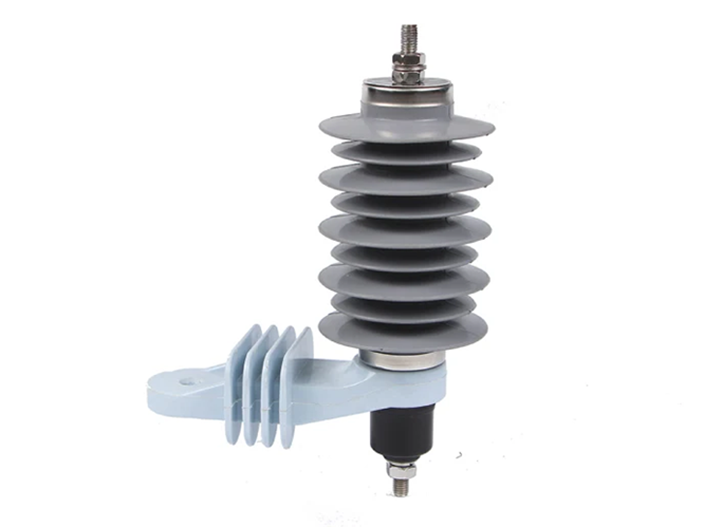
What Is a Lightning Arrester?
A lightning arrester, also known as a surge arrester, is a device installed in electrical power systems to protect equipment from lightning-induced surges and switching overvoltages. It provides a low-resistance path to ground whenever excessive voltage occurs.
Under normal operating conditions, the arrester remains inactive. When a surge enters the system, the lightning arrester responds instantly by conducting the excess energy to earth and then returning to its non-conductive state after the surge passes.
This protective function helps prevent insulation failure, equipment burnout, fire hazards, and costly downtime.
Why Electrical Systems Need Lightning Protection
Lightning strikes can generate extremely high voltages within milliseconds. Even indirect lightning strikes near power lines can induce dangerous surges into electrical systems.
Without proper protection, these surges may result in:
Transformer damage
Insulation breakdown
Power outages
Equipment failure
Communication system interruption
Fire and safety risks
Expensive maintenance and replacement costs
As modern industries become increasingly dependent on sensitive electronic equipment and automated systems, the need for reliable surge protection continues to grow.
How Lightning Arresters Improve Electrical Safety
1. Protecting Electrical Equipment
Lightning arresters protect valuable electrical assets such as transformers, switchgear, circuit breakers, motors, generators, and cables from sudden overvoltage conditions.
By limiting the surge voltage to a safe level, the arrester prevents internal damage and extends equipment service life.
2. Preventing Fire Hazards
Excessive voltage surges can cause overheating, sparks, and insulation failure, potentially leading to electrical fires. Lightning arresters reduce this risk by safely discharging surge energy before it reaches dangerous levels.
This protection is especially important in industrial plants, substations, data centers, and renewable energy facilities where uninterrupted operation is critical.
3. Enhancing Power System Reliability
Voltage surges can trigger unexpected shutdowns and power interruptions. Installing lightning arresters helps maintain continuous power supply and improves the reliability of electrical distribution networks.
Utilities and industrial operators rely on surge protection systems to minimize downtime and maintain operational efficiency.
4. Improving Personnel Safety
Electrical faults caused by lightning can create hazardous conditions for workers and maintenance personnel. Properly installed lightning arresters help reduce the risk of electric shock, arc flash incidents, and equipment explosions.
A safer electrical system contributes to better workplace safety and regulatory compliance.
Types of Lightning Arresters
Different electrical applications require different types of lightning arresters. Common types include:
Polymer Lightning Arresters
Polymer arresters use silicone rubber housings that provide excellent pollution resistance, lightweight construction, and superior mechanical strength. They are widely used in modern power systems and outdoor installations.
Porcelain Lightning Arresters
Porcelain arresters offer high durability and have traditionally been used in substations and transmission systems. They are suitable for harsh environments but are generally heavier than polymer alternatives.
Distribution Class Arresters
These arresters are designed for medium-voltage distribution networks and protect equipment such as transformers and distribution lines.
Station Class Arresters
Station class arresters are used in substations and high-voltage transmission systems where maximum energy handling capability is required.
Applications of Lightning Arresters
Lightning arresters are widely used across various industries and electrical systems, including:
Power transmission and distribution networks
Electrical substations
Industrial manufacturing facilities
Renewable energy systems
Solar power plants
Wind farms
Rail transportation systems
Telecommunications infrastructure
Commercial buildings
Data centers
As renewable energy installations continue to expand, surge protection has become increasingly important for protecting solar inverters, energy storage systems, and EV charging infrastructure.
Key Factors When Choosing a Lightning Arrester
Selecting the right lightning arrester depends on several important factors:
Voltage Rating
The arrester must match the system voltage to ensure effective protection and safe operation.
Energy Absorption Capacity
High-energy environments require arresters with greater surge handling capability.
Environmental Conditions
Outdoor installations may require UV-resistant, anti-pollution, and moisture-resistant designs.
Mechanical Strength
Areas exposed to strong wind, vibration, or seismic activity may need high-strength arrester housings.
Compliance Standards
Reliable lightning arresters should comply with international standards such as IEC and ANSI requirements.
Installation and Maintenance Tips
Proper installation and regular inspection are essential for achieving long-term protection performance.
Best practices include:
Installing arresters close to protected equipment
Ensuring proper grounding connections
Regularly inspecting for physical damage
Checking insulation condition
Monitoring leakage current when necessary
Replacing aging or damaged arresters promptly
Preventive maintenance helps reduce unexpected failures and extends equipment lifespan.
The Future of Lightning Protection
Modern electrical networks are becoming more intelligent and interconnected. Smart grids, renewable energy systems, and digital substations require more advanced surge protection solutions.
Today’s lightning arresters are being developed with:
Improved metal oxide varistor technology
Enhanced thermal stability
Better pollution resistance
Compact lightweight designs
Smart monitoring capabilities
These innovations help improve system reliability and support the growing demand for efficient power infrastructure.
Conclusion
Lightning arresters play a vital role in electrical safety by protecting equipment, reducing fire risks, improving power reliability, and enhancing personnel safety. As electrical systems become more advanced and interconnected, reliable surge protection is more important than ever.
Whether used in power utilities, industrial facilities, or renewable energy projects, high-quality lightning arresters help ensure stable operation and long-term system performance. Investing in proper lightning protection not only safeguards equipment but also reduces maintenance costs and minimizes operational disruptions.
FAQ
1. What is the main purpose of a lightning arrester?
A lightning arrester is designed to protect electrical systems and equipment from high-voltage surges caused by lightning strikes or switching operations. It safely diverts excess electrical energy to the ground to prevent damage.
2. How does a lightning arrester work?
Under normal voltage conditions, the arrester remains inactive. When a voltage surge occurs, it quickly conducts the excess current to earth and then returns to its insulating state after the surge passes.
3. What equipment can lightning arresters protect?
Lightning arresters can protect transformers, switchgear, generators, motors, transmission lines, substations, solar inverters, and other sensitive electrical equipment.
4. What is the difference between a lightning arrester and a surge protector?
A lightning arrester is mainly used in medium- and high-voltage power systems, while surge protectors are commonly used for low-voltage residential or electronic devices. Both are designed to protect against overvoltage.
5. Where should lightning arresters be installed?
Lightning arresters are typically installed near transformers, substations, transmission lines, switchgear, and critical electrical equipment to provide the most effective protection.