
Introduction
In industrial, construction, and electrical applications, reliable fastening is essential for safety, efficiency, and long-term performance. Among various fastening solutions, stainless steel ties have become a preferred choice due to their exceptional strength, durability, and resistance to corrosion. These characteristics make them suitable for harsh environments and critical installations where performance and safety are non-negotiable.
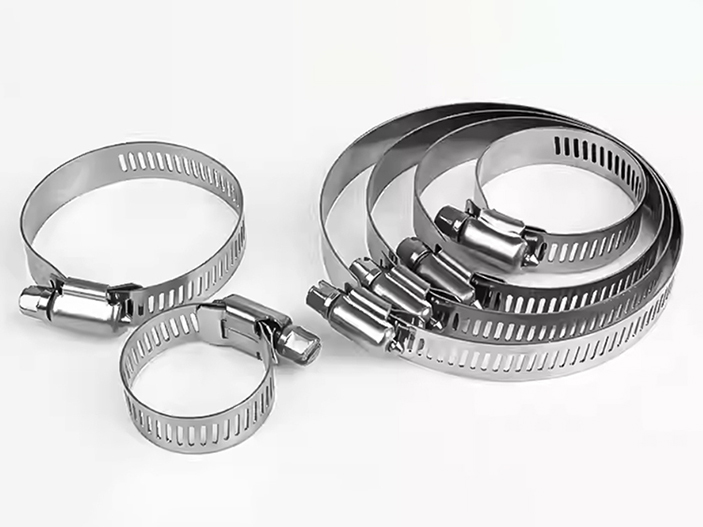
Superior Strength
Stainless steel ties provide high tensile strength, making them capable of securely holding heavy cables, pipes, hoses, and structural components. Unlike plastic or nylon alternatives, they can withstand significant mechanical stress without breaking or deforming.
Key Benefits:
Maintains secure bundling under vibration and heavy load
Supports industrial machinery, electrical panels, and structural assemblies
Reduces the risk of accidental failures caused by snapping or loosening
Exceptional Durability
Durability is a hallmark of stainless steel ties. They are resistant to mechanical wear, impact, and temperature fluctuations, ensuring a long service life even in demanding industrial or outdoor conditions.
Key Benefits:
Minimal maintenance requirements
Reliable performance over extended periods
Suitable for high-stress applications in construction and manufacturing
Excellent Corrosion Resistance
Corrosion can compromise the integrity of fastening systems. Stainless steel ties are made from corrosion-resistant alloys that can withstand moisture, chemicals, and harsh environmental conditions.
Key Benefits:
Ideal for outdoor, marine, and offshore applications
Reduces replacement costs due to rust or material degradation
Ensures long-term safety and reliability
Heat And UV Resistance
Unlike plastic ties, stainless steel ties are highly resistant to heat and ultraviolet (UV) radiation. They maintain structural integrity under high temperatures and prolonged sun exposure, making them suitable for electrical, plumbing, and outdoor projects.
Key Benefits:
Safe for high-current electrical installations
Performs reliably in hot climates or direct sunlight
Reduces deformation and risk of insulation damage
Versatility Across Applications
Stainless steel ties are extremely versatile and can be used in a wide range of industries:
Electrical and Cable Management: Organizing wires and cables in panels, trays, and switchgear
Plumbing and HVAC: Securing pipes, hoses, and ducting
Construction: Fastening rebar, mesh, and fencing materials
Marine and Offshore: Withstanding saltwater, corrosion, and extreme conditions
Industrial Manufacturing: Securing machinery components and heavy equipment
Key Benefits: One solution works for multiple applications, reducing inventory complexity and installation challenges.
Easy Installation And Low Maintenance
Stainless steel ties are easy to install using hand tools or automated equipment, and they require minimal maintenance. Once properly secured, they maintain their hold and performance over time.
Key Benefits:
Saves labor and installation time
Provides consistent, long-lasting performance
Reduces downtime and maintenance costs
Conclusion
Stainless steel ties offer unmatched strength, durability, and corrosion resistance, making them the ideal choice for industrial, construction, electrical, and marine applications. They outperform plastic or nylon alternatives in heavy-duty, outdoor, and harsh environments.
Investing in high-quality stainless steel ties ensures safe, reliable, and long-lasting installations, providing peace of mind for engineers, contractors, and facility managers.
FAQ
1. What are the main advantages of stainless steel ties?
Stainless steel ties offer high strength, exceptional durability, and excellent corrosion resistance, making them ideal for industrial, construction, electrical, and marine applications.
2. Are stainless steel ties suitable for outdoor or marine environments?
Yes. They are highly resistant to corrosion, moisture, saltwater, and UV exposure, making them ideal for outdoor, coastal, and offshore applications.
3. Do stainless steel ties require maintenance?
Stainless steel ties require minimal maintenance. Periodic visual inspections for damage, loosening, or contamination are usually sufficient to ensure long-term reliability.
4. Why are stainless steel ties preferred in industrial applications?
They are preferred because of their strength, corrosion resistance, long service life, and ability to perform in harsh conditions, ensuring safe and reliable installations.