
Introduction
In modern engineering projects, from electrical installations to structural support systems, the choice of components can significantly impact both performance and safety. Among these critical components, aluminium alloy tension brackets have emerged as a preferred solution due to their strength, reliability, and versatility.
This article explores the top advantages of using aluminium alloy tension brackets and why they are indispensable in today’s engineering applications.
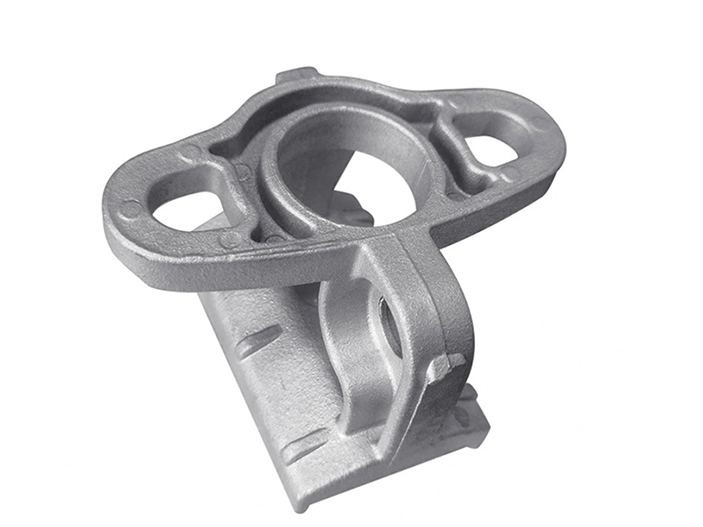
Lightweight Without Compromising Strength
One of the most significant benefits of aluminium alloy tension brackets is their high strength-to-weight ratio. Unlike steel, aluminium alloys are lightweight, making them easier to handle, transport, and install, while still providing the structural support needed to secure cables, busbars, or mechanical components.
This is especially beneficial in large-scale projects such as solar installations or industrial machinery, where reducing overall weight can improve efficiency and reduce labor costs.
Excellent Corrosion Resistance
Aluminium naturally forms a protective oxide layer, which makes it highly resistant to corrosion. This property ensures that brackets maintain their strength and structural integrity even in harsh environmental conditions, such as high humidity, outdoor exposure, or coastal areas with salt-laden air.
Many brackets are further anodized or coated, providing extra protection against wear and extending their service life.
Easy Installation and Maintenance
Aluminium alloy tension brackets are user-friendly. Their lightweight nature, combined with precise machining, allows for quick and hassle-free installation. Engineers and technicians can easily mount brackets with standard tools, saving both time and labor costs.
Additionally, aluminium does not rust, which reduces the need for frequent maintenance, ensuring long-term reliability.
High Versatility in Applications
Aluminium alloy tension brackets are used across a wide range of engineering projects, including:
Electrical distribution systems: Supporting busbars, wire holders, and insulators
Photovoltaic (solar) projects: Mounting panels and securing cables
Industrial machinery: Reinforcing mechanical components or conduits
Construction and architectural projects: Supporting façades, frames, or signage
This versatility makes them a go-to solution for engineers and project managers across multiple industries.
Enhanced Safety and Stability
Properly installed aluminium alloy tension brackets provide stable support for cables, busbars, and other equipment. This minimizes risks of slippage, short circuits, or mechanical failure, which is particularly critical in electrical and industrial projects.
By ensuring secure and reliable installations, aluminium brackets enhance overall system safety.
Cost-Effective and Long-Lasting
Although the initial cost of aluminium alloy brackets may be slightly higher than basic steel alternatives, their long-term benefits outweigh the upfront investment:
Reduced maintenance costs
Extended service life
Fewer replacements due to corrosion or deformation
Efficient installation reducing labor costs
Overall, aluminium alloy tension brackets deliver excellent value for money, making them a smart choice for modern engineering projects.
Customization and Design Flexibility
Modern engineering projects often require custom solutions. Aluminium alloy brackets can be easily machined, cut, or drilled to meet specific project requirements.
From L-shaped and U-shaped brackets to adjustable tension designs, aluminium offers design flexibility without compromising performance.
Lightweight Yet Durable for Transportation Projects
In sectors such as railways, airports, and highways, aluminium alloy tension brackets are used to support cables, sensors, and other equipment. Their lightweight nature reduces the structural load, while their durability ensures long-term operation under vibration, load, and environmental stress.
Conclusion
Aluminium alloy tension brackets have become an essential component in modern engineering projects due to their combination of:
Lightweight design
High strength and corrosion resistance
Easy installation and maintenance
Versatility across multiple applications
Safety, stability, and long-term cost-effectiveness
Whether for electrical systems, industrial machinery, solar installations, or construction projects, these brackets provide reliable and efficient support, making them a key element in achieving high-performance engineering solutions.
FAQ
Q1: Why choose aluminium over steel for tension brackets?
Aluminium offers a better strength-to-weight ratio, corrosion resistance, and easier installation compared to steel, making it ideal for modern projects.
Q2: Can aluminium brackets handle heavy loads?
Yes. High-quality aluminium alloys like 6061 or 6063 are strong enough to support significant mechanical and electrical loads when installed correctly.
Q3: Are aluminium brackets suitable for outdoor use?
Absolutely. Their natural corrosion resistance and optional coatings make them perfect for outdoor and harsh environments.
Q4: Can these brackets be customized?
Yes. Aluminium is highly machinable, allowing for custom designs, hole patterns, and adjustable shapes to suit specific project requirements.
Q5: How long do aluminium alloy tension brackets last?
With proper installation, they can last decades, especially when anodized or coated for added protection.