
Introduction
In industrial, construction, and electrical applications, proper fastening and support of cables, pipes, and components are crucial for safety and durability. One of the most reliable solutions is the stainless steel tie. Known for its strength, corrosion resistance, and long service life, stainless steel ties have become a preferred choice for a wide range of applications.
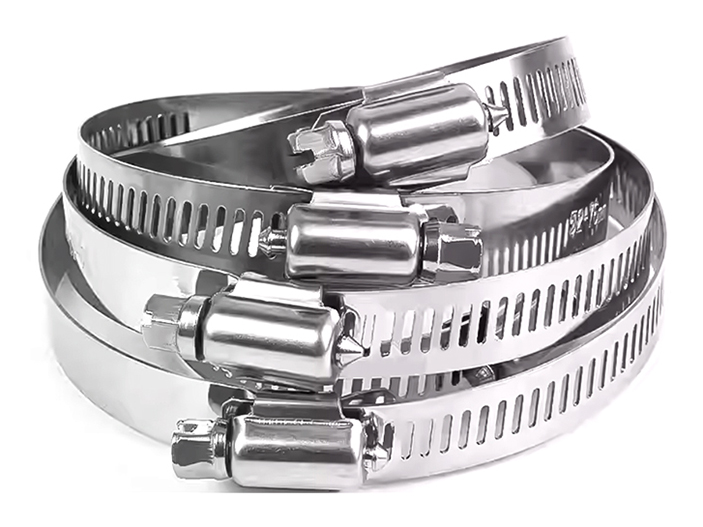
What Is a Stainless Steel Tie?
A stainless steel tie is a fastening device made from stainless steel, designed to secure, bundle, or anchor cables, pipes, hoses, and other components. Unlike plastic or nylon ties, stainless steel ties are highly durable, resistant to corrosion, and capable of withstanding extreme temperatures, UV exposure, and mechanical stress.
Key Features:
High tensile strength
Excellent corrosion resistance
Suitable for harsh environmental conditions
Long service life with minimal maintenance
These properties make stainless steel ties ideal for industrial, commercial, and outdoor applications.
Types of Stainless Steel Ties
Stainless steel ties come in various designs to meet different installation requirements:
1. Stainless Steel Cable Ties
Used for bundling electrical cables, hoses, and wires
Available in smooth or serrated versions for extra grip
Sizes range from small cable management ties to large heavy-duty versions
2. Stainless Steel Hose Clamps
Designed to secure hoses and pipes in plumbing, HVAC, and automotive systems
Provide tight, leak-proof connections under pressure
3. Stainless Steel Wire Ties
Often used in construction, fencing, and industrial projects
Can be twisted or looped to fasten rebar, mesh, or framework
4. Stainless Steel Adjustable Ties / Straps
Flexible ties for custom-length applications
Ideal for bundling irregular or large-diameter items
Applications of Stainless Steel Ties
1. Electrical and Cable Management
Bundle and secure power and control cables in switchgear, control panels, and cable trays
Maintain organized layouts and prevent cable movement or damage
2. Plumbing and HVAC
Secure pipes, hoses, and ducting in heating, ventilation, and air conditioning systems
Prevent leaks and maintain system stability under vibration
3. Industrial and Manufacturing
Used in machinery assembly, conveyor systems, and structural fastening
Provides reliable holding strength in high-stress environments
4. Construction and Infrastructure
Fasten rebar, mesh, and fencing materials
Corrosion resistance ensures durability in outdoor or marine environments
5. Marine and Offshore Applications
Ideal for harsh, corrosive environments such as ships, oil rigs, and coastal installations
Resistant to saltwater, UV, and extreme temperatures
Advantages of Stainless Steel Ties
Durable and Long-Lasting: Resists corrosion, heat, and UV exposure
High Strength: Can hold heavy cables, pipes, and industrial components securely
Low Maintenance: Requires minimal upkeep once installed
Versatile Applications: Suitable for electrical, plumbing, industrial, construction, and marine environments
Safety and Reliability: Reduces the risk of slippage, damage, or system failure
Conclusion
A stainless steel tie is an essential fastening solution in modern industrial, commercial, and construction applications. Its strength, durability, and corrosion resistance make it superior to plastic or nylon alternatives, especially in harsh or demanding environments.
By selecting the appropriate type of stainless steel tie, engineers, electricians, and construction professionals can ensure safe, reliable, and long-lasting installations for cables, pipes, hoses, and structural components.
FAQ
1. What is a stainless steel tie used for?
A stainless steel tie is used to secure, bundle, or anchor cables, pipes, hoses, and other components. It provides strong mechanical support and corrosion resistance, making it suitable for industrial, electrical, plumbing, and construction applications.
2. How is a stainless steel tie different from a plastic cable tie?
Compared to plastic ties, stainless steel ties offer:
Higher tensile strength for heavy-duty applications
Better heat and UV resistance
Corrosion resistance, ideal for outdoor and marine environments
Longer service life under harsh conditions
3. Can stainless steel ties be used in outdoor or marine environments?
Yes. Stainless steel ties are highly resistant to corrosion, saltwater, UV rays, and extreme temperatures, making them ideal for outdoor, marine, and offshore applications.