
Introduction
When it comes to modern electrical installations, photovoltaic systems, or mechanical support structures, aluminium alloy tension brackets play a key but often overlooked role. If you are new to electrical hardware or industrial fittings, this guide will walk you through everything you need to know — from what a tension bracket is, to how it works, where it is used, and why aluminium alloy is the preferred material.
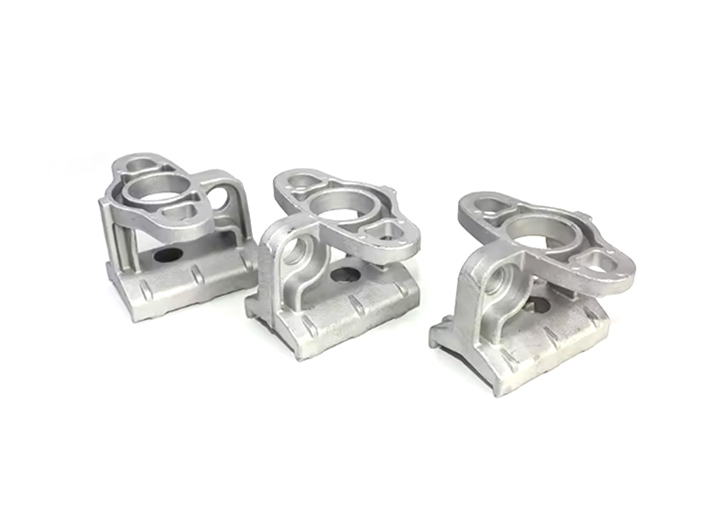
What Is an Aluminium Alloy Tension Bracket?
An aluminium alloy tension bracket is a supporting component designed to fix, stabilize, or carry forces in mechanical, electrical, or structural installations. It is typically used to:
Secure cables and busbars
Support electrical devices
Provide tension or load-bearing functionality
Maintain structural integrity in mounting systems
These brackets are made from aluminium alloys, which offer an ideal balance of strength, corrosion resistance, and lightweight performance, making them suitable for both indoor and outdoor applications.
Why Aluminium Alloy? Key Material Advantages
Aluminium alloy is one of the most popular engineering materials for tension brackets. Here’s why:
Lightweight but Strong
Aluminium alloy offers high mechanical strength while being significantly lighter than steel, which reduces load on the overall system.
Excellent Corrosion Resistance
Perfect for outdoor environments such as photovoltaic arrays, electrical substations, or humid mechanical rooms.
Good Electrical Insulation Support
Although aluminium itself is conductive, tension brackets are typically used alongside insulators, and aluminium’s compatibility with these systems is excellent.
Easy Machining and Installation
Its good ductility and machinability allow precise manufacturing, making installation fast and hassle-free.
Long Service Life
Resistant to cracks, rust, and deformation, ensuring reliable performance under long-term stress.
How Does a Tension Bracket Work?
A tension bracket functions by holding or balancing forces applied to cables, busbars, or mechanical parts. It may be:
Bolted onto a structure
Combined with insulators
Used as part of a tensioning system
Integrated into mounting frameworks
Once fixed in place, the bracket absorbs the pulling force, distributes mechanical loads evenly, and ensures the entire structure remains stable and aligned.
Common Applications of Aluminium Alloy Tension Brackets
1 Low-Voltage Electrical Distribution
Used to mount and support busbars, wire holders, and insulator assemblies.
2 Photovoltaic (Solar) Mounting Systems
Ideal for solar cable management, photovoltaic brackets, and structural reinforcement.
3 Industrial Equipment Installation
Helps secure pipelines, conduits, control boxes, and mechanical supports.
4 Railway & Transportation Systems
Used for cable support and vibration-resistant brackets.
5 Construction & Building Hardware
Provides mounting strength for façade systems, signage frames, and architectural structures.
Types of Aluminium Alloy Tension Brackets
Depending on structure and use, tension brackets come in various forms:
L-shaped brackets – common for wall mounting
U-shaped brackets – provide 3D structural reinforcement
Adjustable tension brackets – allow fine tension control
Custom-engineered brackets – designed for specific equipment or systems
Different models may include mounting holes, reinforced ribs, threaded connections, or integrated insulation bases.
How to Choose the Right Tension Bracket
When selecting a tension bracket, consider:
Load Capacity
Match the bracket’s strength rating with the weight or pulling force required.
Material Grade
Choose high-quality aluminium alloys such as 6061, 6063, or ADC12 for durability.
Installation Method
Check hole spacing, bolt size, mounting direction, and compatibility with busbars or insulators.
Environmental Conditions
Select anodized or coated brackets for harsh or outdoor environments.
Application-Specific Features
Some brackets include:
Anti-slip grooves
Extra rib reinforcements
Heat resistance
Vibration damping
Benefits of Using Aluminium Alloy Tension Brackets
High reliability in electrical and mechanical systems
They ensure safe and stable installation, reducing failure risks.
Easy installation and maintenance
Lightweight and user-friendly for technicians.
Enhanced safety
Keeps equipment securely mounted, preventing short circuits, wire sagging, or structure deformation.
Cost-effective
Long lifespan and minimal maintenance help lower overall project costs.
Conclusion
For beginners stepping into electrical engineering, solar system installation, or industrial hardware, the aluminium alloy tension bracket is a small yet crucial component that ensures stability, safety, and reliability.
Choosing the right bracket means understanding its load requirements, material properties, and application scenarios. With excellent corrosion resistance, durability, and easy handling, aluminium alloy tension brackets remain a preferred solution across multiple industries.
FAQ
Q1: Are aluminium tension brackets suitable for outdoor use?
Yes. Aluminium alloy has excellent natural corrosion resistance, making it ideal for outdoor and humid environments.
Q2: Can aluminium brackets support heavy loads?
High-quality alloy brackets (e.g., 6061) can withstand strong tension and compression forces when properly installed.
Q3: Do aluminium tension brackets rust?
They do not rust like steel. However, anodized or coated brackets offer even better protection.
Q4: Are these brackets compatible with electrical insulators?
Absolutely. Many low-voltage power distribution systems pair aluminium brackets with ceramic or composite insulators.
Q5: Can they be customized for special projects?
Yes. Many suppliers offer custom machining, hole sizing, and shape design based on project needs.