
Introduction
Aluminium PG clamps are widely used electrical connectors in overhead power distribution and transmission systems. Known for their reliability, mechanical strength, and excellent conductivity, these clamps play a crucial role in ensuring safe and stable electrical connections between conductors.
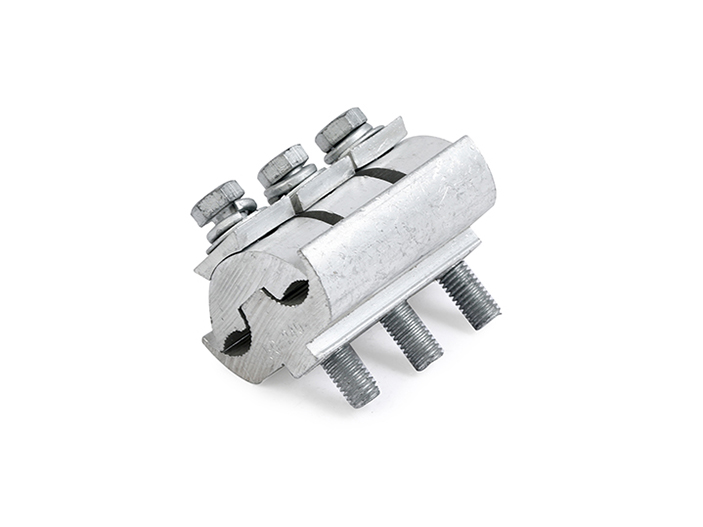
Definition of an Aluminium PG Clamp
An Aluminium PG Clamp (Parallel Groove Clamp) is a mechanical connector designed to join two parallel conductors in overhead electrical lines. It is commonly used for tapping connections, branching conductors, and jumper connections without cutting the main conductor.
PG clamps are typically made from high-strength aluminum alloy, making them suitable for aluminum and aluminum-alloy conductors such as AAC, AAAC, and ACSR.
Key Functions of Aluminium PG Clamps
Aluminium PG clamps serve several essential purposes in power systems:
Provide a secure electrical connection between conductors
Maintain low contact resistance for efficient current flow
Ensure strong mechanical grip to withstand tension and vibration
Allow easy installation and maintenance without special tools
These features make PG clamps a preferred solution for overhead line connections.
Structure of an Aluminium PG Clamp
An aluminium PG clamp typically consists of the following components:
3.1 Clamp Body
The main body is made of cast or forged aluminum alloy, designed with parallel grooves to fit conductors of specific sizes. The grooved surface increases contact area and improves conductivity.
3.2 Pressure Plate
The pressure plate applies uniform pressure on the conductor when tightened, ensuring a stable and long-lasting connection.
3.3 Bolts, Nuts, and Washers
High-strength galvanized steel bolts and nuts are used to fasten the clamp. They provide the necessary clamping force and resistance to corrosion in outdoor environments.
Working Principle of an Aluminium PG Clamp
The working principle of an aluminium PG clamp is based on mechanical compression and electrical contact.
When the conductors are placed into the clamp grooves and the bolts are tightened:
The pressure plates compress the conductors evenly
A large metal-to-metal contact area is formed
Electrical current flows smoothly through the clamp with minimal resistance
Mechanical force prevents conductor slippage under load or vibration
This combination of mechanical stability and electrical efficiency ensures reliable performance over long service periods.
Advantages of Aluminium PG Clamps
Compared to other connection methods, aluminium PG clamps offer several advantages:
Lightweight and easy to install
Excellent corrosion resistance
Compatible with a wide range of conductor sizes
Cost-effective compared to compression connectors
Suitable for both temporary and permanent connections
Typical Applications of Aluminium PG Clamps
Aluminium PG clamps are commonly used in:
Overhead power distribution lines
Transmission line tapping connections
Jumper connections at poles and towers
Substations and electrical switching systems
Utility maintenance and emergency repairs
Conclusion
An aluminium PG clamp is a vital component in overhead power systems, providing a dependable solution for connecting parallel conductors. Its simple structure, efficient working principle, and strong performance make it a standard choice in electrical distribution and transmission projects worldwide.
Understanding the definition, structure, and working principle of aluminium PG clamps helps engineers, contractors, and buyers select the right solution for safe and efficient power line connections.
FAQ
Q1: What conductors are suitable for aluminium PG clamps?
Aluminium PG clamps are mainly used with AAC, AAAC, and ACSR conductors.
Q2: Can aluminium PG clamps be reused?
Yes, in many cases they can be reused if there is no visible damage or deformation.
Q3: Are aluminium PG clamps suitable for outdoor use?
Yes, they are designed to resist corrosion and withstand harsh outdoor environments.