
Introduction
In modern power distribution and grounding systems, reliability, installation efficiency, and long-term electrical safety are critical. One component that plays a key role—yet is often overlooked—is the Insulation Piercing Ground Connector (IPGC). Designed to establish a secure grounding or electrical connection without stripping cable insulation, this connector is widely used in overhead lines, grounding systems, and low- to medium-voltage applications.
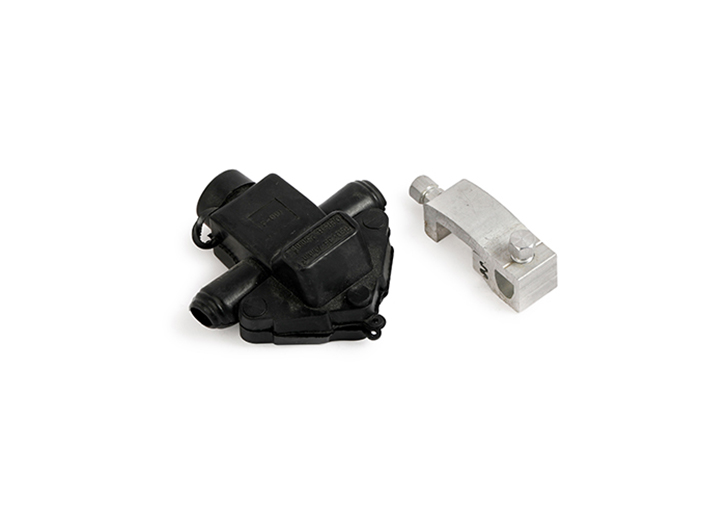
Definition: What Is an Insulation Piercing Ground Connector?
An Insulation Piercing Ground Connector is a specialized electrical connector that creates a conductive connection by piercing through the insulation of a cable and making direct contact with the conductor inside. At the same time, it connects the cable to a grounding conductor or grounding point, ensuring proper earthing and electrical safety.
Unlike traditional connectors that require insulation stripping, IPGCs allow for fast, safe, and consistent installation while maintaining insulation integrity around the connection point.
Key characteristics:
No need to strip cable insulation
Reliable electrical and grounding connection
Suitable for live-line or near-live-line work (with proper safety procedures)
Designed for outdoor and harsh environments
Main Structure of an Insulation Piercing Ground Connector
An insulation piercing ground connector typically consists of several carefully engineered components, each serving a specific function.
2.1 Connector Body
Usually made of high-strength, UV-resistant polymer or insulated aluminum alloy
Provides mechanical support and electrical insulation
Protects internal components from moisture, dust, and corrosion
2.2 Piercing Teeth (Contact Blades)
Made of tinned copper alloy or aluminum alloy
Sharp, conductive teeth penetrate the cable insulation
Ensure stable electrical contact with the conductor strands
Designed to minimize conductor damage while maximizing contact area
2.3 Grounding Terminal / Ground Wire Clamp
Connects the main cable to a ground wire or grounding bar
Often compatible with copper or aluminum grounding conductors
Ensures low-resistance grounding continuity
2.4 Shear Head Bolts (Torque-Controlled Bolts)
Tightened during installation until the head breaks off at a preset torque
Guarantees consistent contact pressure
Prevents under-tightening or over-tightening
Enables tool-free torque measurement accuracy
2.5 Sealing and Protection Elements
Rubber seals or grease-filled interfaces
Prevent water ingress and oxidation
Improve long-term reliability, especially in outdoor installations
Working Principle of an Insulation Piercing Ground Connector
The working principle of an insulation piercing ground connector is simple yet highly effective.
Step-by-Step Working Process
Positioning the Connector
The connector is placed over the insulated main conductor and aligned with the grounding conductor.
Bolt Tightening
As the installer tightens the shear head bolts, internal piercing teeth move toward the conductor.
Insulation Piercing
The sharp teeth penetrate the insulation without removing it, reaching the metal conductor inside.
Electrical Contact Formation
Once the teeth touch the conductor, a low-resistance electrical path is created between the main cable and the grounding conductor.
Torque Control and Locking
When the preset torque is reached, the bolt head snaps off, ensuring optimal pressure and a secure, maintenance-free connection.
Long-Term Stability
The sealed structure protects the contact area from moisture, corrosion, and vibration, maintaining stable grounding performance over time.
Advantages of Insulation Piercing Ground Connectors
Compared with traditional grounding methods, IPGCs offer several clear benefits:
Fast Installation – No insulation stripping or special preparation
Consistent Electrical Performance – Controlled torque ensures reliable contact
Enhanced Safety – Reduced risk of conductor damage and human error
Weather Resistance – Ideal for outdoor and overhead line applications
Low Maintenance – Stable contact pressure over long service life
Typical Applications
Insulation piercing ground connectors are widely used in:
Overhead power distribution lines
Low-voltage and medium-voltage grounding systems
Street lighting and utility poles
Industrial power networks
Temporary grounding during maintenance
Renewable energy installations (solar and wind grounding)
Conclusion
An Insulation Piercing Ground Connector is a smart, efficient solution for creating safe and reliable grounding connections without stripping cable insulation. Through its optimized structure—piercing teeth, torque-controlled bolts, and sealed housing—it delivers consistent electrical performance while simplifying installation.
As power systems continue to demand higher reliability and faster deployment, insulation piercing ground connectors have become an essential component in modern electrical and grounding infrastructure.
FAQ
1. Is an insulation piercing ground connector safe to use without stripping insulation?
Yes. Insulation piercing ground connectors are specifically designed to pierce insulation without damaging the conductor core. Torque-controlled bolts ensure correct pressure, creating a stable and safe electrical connection while maintaining insulation integrity.
2. Can insulation piercing ground connectors be used on live cables?
In many applications, they are suitable for near-live or live-line installations, provided proper safety procedures, tools, and local electrical regulations are followed. Always confirm compliance with applicable standards before live installation.
3. What types of conductors are compatible with insulation piercing ground connectors?
Most IPGCs are compatible with:
Aluminum conductors
Copper conductors
Aluminum-copper mixed systems (with appropriate contact materials)
Always check the connector’s conductor range and material specifications.
4. How do shear head bolts improve connection reliability?
Shear head bolts break off at a preset torque, ensuring:
Consistent contact pressure
No over-tightening or under-tightening
Reduced installation errors
This guarantees long-term electrical stability and grounding performance.
5. Are insulation piercing ground connectors suitable for outdoor use?
Yes. Most IPGCs are designed for harsh outdoor environments, featuring:
UV-resistant insulated bodies
Corrosion-resistant piercing contacts
Sealed interfaces to prevent moisture ingress
6. Do insulation piercing ground connectors require maintenance?
No routine maintenance is typically required. Once installed, the connector provides a permanent, vibration-resistant, and corrosion-protected connection throughout its service life.