
Introduction
In overhead power transmission and distribution systems, tension brackets play a critical role in anchoring conductors and transferring mechanical loads to poles and towers. Material selection directly affects the safety, durability, and installation efficiency of these fittings. Among available options, aluminium alloy has become the preferred material for tension brackets due to its excellent balance of strength, lightweight design, and corrosion resistance.
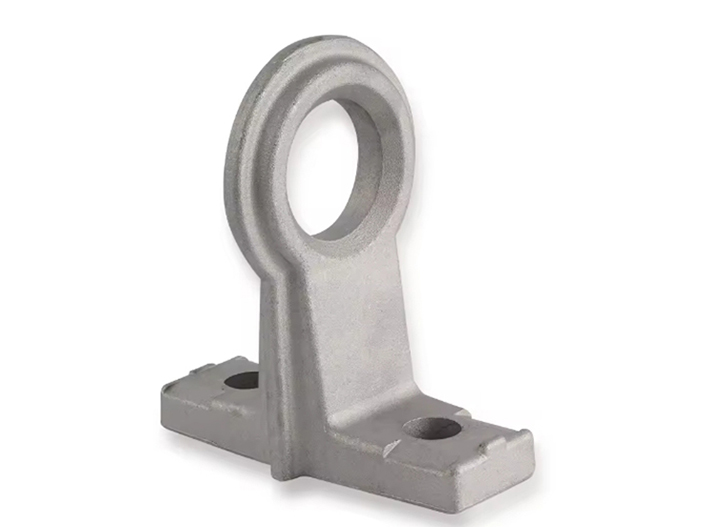
High Mechanical Strength for Load-Bearing Applications
Aluminium alloy tension brackets are engineered to withstand high tensile forces generated by conductors under normal and extreme operating conditions. Through alloying and heat treatment, aluminium alloys achieve high tensile and yield strength while maintaining structural integrity.
In tensioning systems, these brackets must resist:
Continuous axial tension from conductors
Dynamic loads caused by wind and ice
Mechanical stress at dead-end and angle points
Properly designed aluminium alloy tension brackets meet required load ratings and safety factors, ensuring long-term mechanical reliability.
Lightweight Design for Easier Installation
One of the most significant advantages of aluminium alloy tension brackets is their low weight compared to steel alternatives. Aluminium alloys typically weigh about one-third as much as steel while providing sufficient mechanical strength.
The lightweight nature of aluminium alloy brackets offers several practical benefits:
Easier handling during installation
Reduced labor and installation time
Lower transportation and logistics costs
Less structural load on poles and towers
These advantages are especially valuable in large-scale transmission projects and installations in remote or elevated locations.
Excellent Corrosion Resistance in Outdoor Environments
Tension brackets are exposed to harsh outdoor conditions throughout their service life. Aluminium alloy naturally forms a stable oxide layer on its surface, providing effective protection against corrosion without the need for additional coatings.
This corrosion resistance makes aluminium alloy tension brackets suitable for:
Coastal and marine environments
High-humidity regions
Industrial and polluted areas
Long-term outdoor exposure
As a result, maintenance requirements are reduced, and service life is extended.
Compatibility with Aluminium Conductors
Most overhead transmission and distribution lines use aluminium or aluminium alloy conductors. Aluminium alloy tension brackets offer excellent material compatibility, minimizing the risk of galvanic corrosion that can occur when dissimilar metals are used together.
This compatibility improves:
Electrical system stability
Mechanical connection reliability
Long-term performance of fittings
Good Electrical and Thermal Performance
Aluminium alloys exhibit good electrical conductivity and thermal behavior, making them suitable for power line hardware. Their thermal expansion characteristics are compatible with aluminium conductors, helping maintain stable tension under temperature variations.
This property reduces stress concentrations and enhances the overall reliability of the tensioning system.
Cost-Effective Over the Full Service Life
While aluminium alloy tension brackets may have a slightly higher initial material cost compared to some alternatives, their long-term economic benefits are significant. Reduced maintenance, longer service life, and easier installation contribute to lower lifecycle costs.
From a lifecycle cost perspective, aluminium alloy tension brackets provide excellent value for power utilities and infrastructure developers.
Typical Applications of Aluminium Alloy Tension Brackets
Aluminium alloy tension brackets are widely used in:
Overhead transmission lines (HV and MV)
Distribution networks
Dead-end and anchor points
Angle and terminal poles
Substation conductor support systems
Their versatility and performance make them a standard choice in modern power line hardware systems.
Conclusion
Aluminium alloy offers an ideal combination of high strength, lightweight design, and corrosion resistance for tension brackets used in overhead line systems. These advantages improve installation efficiency, reduce maintenance requirements, and enhance long-term system reliability.
For engineers, utilities, and buyers seeking durable and cost-effective solutions, aluminium alloy tension brackets remain a proven and preferred choice.
FAQ
1. Why is aluminium alloy preferred over steel for tension brackets?
Aluminium alloy is preferred because it provides a high strength-to-weight ratio, excellent corrosion resistance, and better compatibility with aluminium conductors. Compared with steel, aluminium alloy tension brackets are lighter, easier to install, and require less maintenance in outdoor environments.
2. Are aluminium alloy tension brackets strong enough for high-load applications?
Yes. Modern aluminium alloy tension brackets are designed and tested to withstand high mechanical loads. When manufactured according to industry standards and properly selected for the application, they can safely handle tensile forces in medium- and high-voltage transmission systems.
3. How does corrosion resistance benefit long-term performance?
Aluminium alloy naturally forms a protective oxide layer that prevents rust and surface degradation. This reduces the risk of structural weakening, minimizes maintenance requirements, and extends the service life of tension brackets in harsh outdoor conditions.
4. Can aluminium alloy tension brackets be used in coastal or industrial areas?
Yes. Aluminium alloy tension brackets perform well in coastal, high-humidity, and industrial environments. Their resistance to salt spray, moisture, and atmospheric pollution makes them suitable for long-term outdoor use.
5. Do aluminium alloy tension brackets require surface coating?
In most applications, no additional coating is required because aluminium alloy is inherently corrosion resistant. However, special surface treatments may be applied for enhanced durability or specific project requirements.
6. Are aluminium alloy tension brackets compatible with aluminium conductors?
Yes. Using aluminium alloy brackets with aluminium conductors reduces the risk of galvanic corrosion and ensures better electrical and mechanical compatibility within the tensioning system.