
Introduction
In power transmission and distribution systems, electrical connectors are constantly exposed to challenging environmental conditions. From extreme temperatures and heavy rainfall to coastal salt spray and industrial pollution, these factors can significantly impact the reliability and lifespan of electrical connections.
Among the various connector solutions available, Heavy Duty H Type Aluminium Parallel Groove Clamps are widely recognized for their durability, mechanical strength, and long-term performance. Designed to provide secure conductor connections under demanding conditions, these clamps play a critical role in maintaining the safety and efficiency of electrical networks.
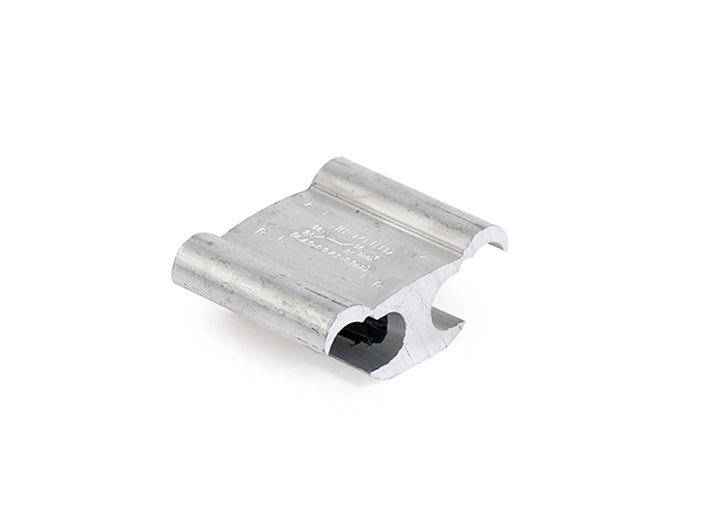
What Is a Heavy Duty H Type Clamp?
A Heavy Duty H Type Clamp is a compression-style connector used to join parallel conductors in overhead power distribution and transmission systems.
Its distinctive “H” shape provides:
Strong mechanical holding force
Large contact area
Low electrical resistance
Stable current transmission
These characteristics make H type clamps ideal for utility networks, substations, renewable energy projects, and industrial power systems.
Challenges Faced in Harsh Environments
Electrical connectors installed outdoors or in industrial environments are exposed to multiple stress factors, including:
Extreme Temperatures
Intense summer heat
Freezing winter conditions
Continuous thermal cycling
Moisture and Rain
Heavy precipitation
Condensation
Flood-prone areas
Salt Spray and Coastal Conditions
Marine environments
Offshore installations
High-humidity regions
Industrial Pollution
Chemical contaminants
Dust accumulation
Airborne corrosive particles
Mechanical Stress
Wind-induced vibration
Conductor movement
Ice and snow loading
Without proper design and materials, these conditions can lead to corrosion, overheating, connection failure, and costly outages.
1. Superior Corrosion Resistance
One of the key reasons heavy-duty H type clamps excel in harsh environments is their excellent corrosion resistance.
Most clamps are manufactured from high-strength aluminum alloys that naturally form a protective oxide layer when exposed to air.
Benefits Include
Protection against moisture damage
Resistance to atmospheric corrosion
Improved durability in coastal environments
Reduced maintenance requirements
Compared with some traditional connector materials, aluminum provides an excellent balance of conductivity and corrosion resistance.
2. Strong Mechanical Performance
Environmental conditions often create significant mechanical stress on electrical connections.
Heavy-duty H type clamps are engineered to provide:
High tensile strength
Excellent conductor retention
Resistance to vibration
Long-term structural stability
This strength helps maintain secure conductor connections even during:
Strong winds
Storm events
Thermal expansion and contraction
Continuous mechanical loading
A stable connection minimizes the risk of power interruptions and system failures.
3. Large Contact Area Reduces Resistance
Electrical performance is directly affected by the quality of the conductor connection.
The H-shaped design creates a large contact surface between conductors, which offers:
Lower contact resistance
Improved current transfer
Reduced energy loss
Lower operating temperatures
By minimizing resistance, the clamp helps prevent overheating and extends the life of both the connector and conductor.
4. Excellent Thermal Stability
Outdoor electrical equipment experiences constant temperature fluctuations.
Poor-quality connectors may loosen over time due to repeated thermal expansion and contraction.
Heavy-duty H type clamps are designed to withstand:
High ambient temperatures
Temperature cycling
Current-generated heat
Their robust structure helps maintain consistent contact pressure and electrical performance throughout changing environmental conditions.
5. Resistance to Environmental Contamination
Industrial and urban environments often contain contaminants that can affect electrical connections.
Examples include:
Dust
Chemical vapors
Industrial emissions
Airborne pollutants
The compression connection created by H type clamps minimizes air gaps and reduces the risk of contamination entering the contact area.
This helps maintain stable conductivity and long-term reliability.
6. Reduced Risk of Hot Spots and Power Loss
Poor electrical connections often develop localized heating, commonly known as hot spots.
Hot spots can cause:
Conductor damage
Energy losses
Connector degradation
Potential system failures
Because heavy-duty H type clamps provide:
Uniform compression
Large contact surfaces
Reliable conductivity
they significantly reduce the likelihood of hot spot formation.
7. Long Service Life with Minimal Maintenance
Utilities and industrial operators prioritize components that require minimal maintenance.
Heavy-duty H type clamps offer:
Long operational lifespan
High reliability
Low maintenance costs
Reduced replacement frequency
Their durable construction helps operators lower lifecycle costs while improving network performance.
8. Ideal for Renewable Energy Installations
Renewable energy projects often operate in challenging outdoor environments.
Applications include:
Solar farms
Wind power stations
Energy storage systems
Rural electrification projects
These installations require connectors capable of withstanding:
UV exposure
Temperature extremes
Wind and weather conditions
Heavy-duty H type clamps provide the durability needed to support long-term renewable energy operations.
Common Applications in Harsh Environments
Heavy-duty H type aluminium parallel groove clamps are widely used in:
Power Distribution Networks
Reliable conductor connections for overhead lines.
Substations
Busbar and conductor interconnections.
Coastal Power Systems
Protection against salt spray corrosion.
Industrial Facilities
Resistance to pollutants and mechanical stress.
Renewable Energy Projects
Long-term outdoor electrical performance.
Railway Electrification Systems
Durability under vibration and dynamic loading conditions.
Best Practices for Maximizing Clamp Performance
To ensure maximum service life, consider the following recommendations:
Select the Correct Clamp Size
Choose a clamp designed for the conductor size and application.
Follow Proper Installation Procedures
Use recommended compression tools and installation methods.
Inspect Connections Periodically
Check for signs of wear, corrosion, or mechanical damage.
Use High-Quality Materials
Work with reputable manufacturers that comply with international quality standards.
Consider Environmental Conditions
Choose products specifically designed for coastal, industrial, or high-temperature applications.
Conclusion
Heavy Duty H Type Aluminium Parallel Groove Clamps are specifically engineered to provide reliable electrical and mechanical performance in some of the world’s most demanding environments. Their corrosion resistance, strong mechanical properties, excellent conductivity, and long service life make them an ideal solution for modern power transmission and distribution systems.
Whether used in utility networks, renewable energy projects, industrial facilities, or coastal installations, these clamps help ensure safe, efficient, and maintenance-friendly electrical connections for years of dependable operation.
FAQ
Why are H type clamps suitable for harsh environments?
Their corrosion-resistant aluminum construction, strong mechanical design, and stable electrical performance allow them to withstand moisture, temperature changes, vibration, and environmental contamination.
Can H type clamps be used in coastal areas?
Yes. High-quality aluminum alloys provide excellent resistance to salt spray and atmospheric corrosion, making them suitable for coastal applications.
How do H type clamps reduce overheating?
Their large contact area lowers electrical resistance, reducing heat generation and minimizing the risk of hot spots.
Are heavy-duty H type clamps maintenance-free?
While they require minimal maintenance, periodic inspections are recommended to ensure continued performance and safety.
What industries commonly use heavy-duty H type clamps?
Power utilities, renewable energy projects, industrial facilities, substations, railway electrification systems, and telecommunications infrastructure commonly use these connectors.