
Introduction
In high tension overhead power systems, reliability and durability are critical. Every component—from conductors to insulators—must withstand mechanical stress, environmental exposure, and long-term electrical loading. Among these components, plastic wire clamps play a vital yet often underestimated role in ensuring safe and stable cable installation.
Modern overhead cable systems increasingly rely on high-performance polymer clamps to improve safety, reduce corrosion, and enhance long-term performance.
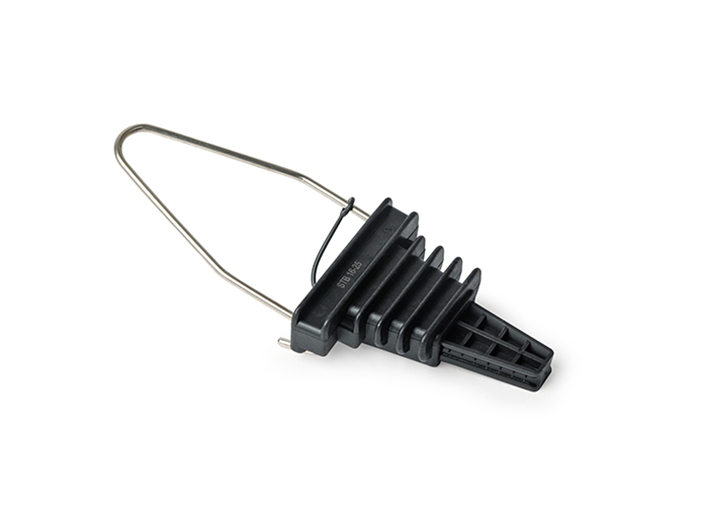
The Role of Wire Clamps in Overhead High Tension Systems
Overhead high tension cables are exposed to:
Wind load and vibration
Temperature fluctuations
UV radiation
Rain, humidity, and pollution
Mechanical tension from line sag
Wire clamps are used to:
Secure conductors in place
Maintain spacing between cores
Prevent cable movement and abrasion
Support proper alignment along poles and cross-arms
Without reliable clamping, cables may shift, suffer insulation damage, or experience premature wear.
Why Plastic Clamps Are Preferred Over Metal Alternatives
2.1 Corrosion Resistance
Unlike metal clamps, high-quality plastic clamps do not rust or corrode. In coastal or high-humidity environments, corrosion can weaken metal components and reduce system lifespan. UV-stabilized engineering plastics maintain structural integrity even after prolonged outdoor exposure.
2.2 Electrical Insulation Properties
Plastic wire clamps provide inherent electrical insulation. This reduces the risk of unintended conductive paths, short circuits, or stray current issues. Insulated clamping is especially important in two-core or bundled cable installations.
2.3 Lightweight and Easy Installation
Plastic clamps are significantly lighter than metal clamps. This:
Reduces installation effort
Minimizes structural load on poles and supports
Improves handling efficiency for field technicians
Lightweight components are particularly beneficial in large-scale distribution projects.
2.4 Vibration and Shock Resistance
Overhead lines experience constant vibration due to wind and mechanical tension. Engineering-grade plastics such as PA66 (glass fiber reinforced nylon) offer flexibility and impact resistance, reducing the risk of cracking under dynamic stress.
2.5 Cost-Effective and Low Maintenance
Plastic clamps:
Require minimal maintenance
Resist environmental degradation
Offer long service life
Lower corrosion and reduced replacement frequency translate to lower lifecycle costs for utilities and contractors.
Key Material Characteristics for High Tension Applications
Not all plastic clamps are suitable for high tension environments. High-quality clamps must offer:
UV resistance
High tensile strength
Flame retardant properties (if required)
Temperature resistance
Anti-aging performance
Weather and chemical resistance
Materials commonly used include UV-stabilized PA66, reinforced thermoplastics, and high-performance polymers engineered for outdoor power systems.
Applications in Overhead Cable Installation
Plastic wire clamps are widely used in:
High tension transmission lines
Low and medium voltage distribution networks
Two-core overhead cable systems
Street lighting cable support
Utility pole installations
Rural electrification projects
They help maintain consistent cable positioning and reduce mechanical stress on conductor insulation.
Enhancing Safety and System Stability
Properly designed plastic cable clamps:
Prevent conductor abrasion
Reduce mechanical displacement
Improve spacing control
Minimize fault risk
Extend cable service life
By maintaining cable alignment and protecting insulation, plastic clamps directly contribute to overall power system stability.
Future Trends in Overhead Cable Clamping Technology
As power infrastructure modernizes, clamp designs are evolving to include:
Higher load-bearing capacity
Improved UV and weather resistance
Modular and adjustable designs
Enhanced anti-slip structures
Eco-friendly recyclable materials
Advanced polymer technologies will continue improving performance in harsh outdoor environments.
Conclusion
Plastic wire clamps are essential components in high tension overhead cable installations. Their corrosion resistance, electrical insulation properties, lightweight design, and long-term durability make them superior to traditional metal alternatives in many applications.
By improving mechanical stability and protecting cable insulation, plastic clamps help ensure safe, reliable, and cost-effective overhead power distribution.
FAQ
1. What are plastic wire clamps used for in high tension overhead systems?
Plastic wire clamps are used to secure and support overhead cables, maintain proper spacing between conductors, and prevent movement caused by wind, vibration, and mechanical tension. They help protect cable insulation and ensure stable line performance.
2. Why are plastic clamps preferred over metal clamps for overhead cables?
Plastic clamps offer several advantages:
Corrosion resistance (no rusting in humid or coastal environments)
Electrical insulation properties
Lightweight design for easier installation
Lower maintenance requirements
Reduced risk of galvanic corrosion
These benefits make them suitable for long-term outdoor applications.
3. Are plastic wire clamps strong enough for high tension applications?
Yes, when made from high-performance engineering plastics such as UV-stabilized PA66 or glass fiber reinforced materials, plastic clamps provide high tensile strength and excellent mechanical durability suitable for overhead cable support.
4. Can plastic clamps withstand outdoor environmental conditions?
High-quality plastic clamps are designed to resist:
UV radiation
Temperature fluctuations
Rain and humidity
Dust and pollution
Chemical exposure
UV-stabilized and weather-resistant materials ensure long service life in outdoor environments.
5. Do plastic wire clamps provide electrical insulation?
Yes. Unlike metal clamps, plastic clamps are non-conductive, which enhances electrical safety by reducing the risk of unintended conductive paths or short circuits.
6. Are plastic cable clamps suitable for two-core overhead cables?
Yes. Many plastic clamps are specifically designed to secure twin-core or bundled cables, maintaining consistent spacing and preventing abrasion between cores.
7. How do plastic clamps reduce maintenance costs?
Because they do not corrode and resist environmental degradation, plastic clamps require less frequent replacement and inspection compared to metal alternatives, reducing long-term operational costs.