
Introduction
Power transmission and distribution systems operating in coastal and heavily polluted environments face unique challenges. Salt fog, industrial contamination, moisture, dust, and chemical pollutants can significantly affect insulation performance, increasing the risk of leakage current, flashover, and power outages.
To address these demanding conditions, utilities and engineers increasingly choose polymer insulators as a reliable and cost-effective solution. Compared with traditional porcelain and glass insulators, polymer insulators offer superior contamination resistance, better hydrophobic performance, and lower maintenance requirements.
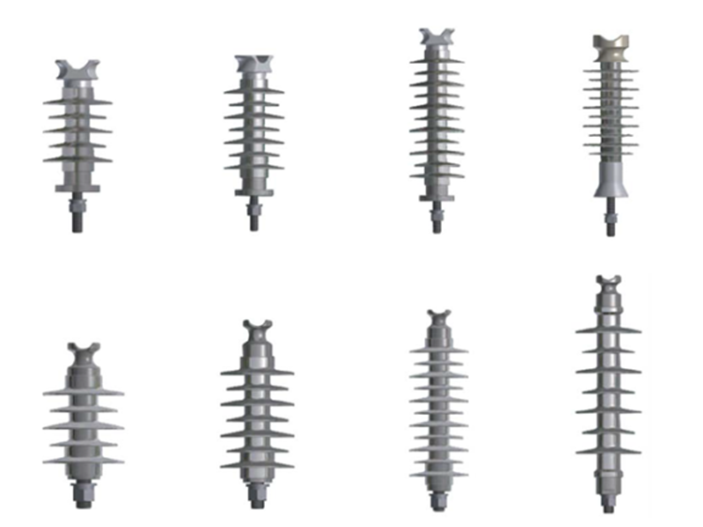
Challenges Faced by Insulators in Coastal and Polluted Areas
Outdoor insulators are continuously exposed to environmental conditions. In coastal and industrial regions, contamination becomes one of the main causes of insulation failure.
Coastal Environment Challenges
Coastal areas typically experience:
Salt fog and sea spray
High humidity
Strong UV exposure
Corrosive marine atmosphere
Frequent rainfall and moisture accumulation
Salt particles deposited on insulator surfaces can form conductive layers when mixed with moisture, increasing leakage current and flashover risks.
Industrial Pollution Challenges
Industrial zones may expose insulators to:
Chemical pollutants
Cement dust
Smoke and soot
Metallic particles
Acidic contaminants
These pollutants accumulate on the insulator surface and reduce insulation performance over time.
What Makes Polymer Insulators Different?
Polymer insulators, also known as composite insulators, are made from advanced materials such as:
Silicone rubber housing
Fiberglass reinforced core rods
Corrosion-resistant metal fittings
Their unique material properties make them highly suitable for harsh outdoor environments.
Excellent Hydrophobic Performance
One of the biggest advantages of polymer insulators is their hydrophobicity.
How Hydrophobicity Helps
Silicone rubber naturally repels water. Instead of forming a continuous conductive water film on the surface, moisture forms isolated droplets.
This significantly reduces:
Leakage current
Surface conductivity
Flashover probability
Even in foggy or rainy coastal environments, hydrophobic surfaces help maintain reliable insulation performance.
Hydrophobicity Transfer Effect
High-quality silicone rubber can transfer hydrophobic properties to pollution layers deposited on the surface.
This means:
Salt contamination becomes less conductive
Surface wetting decreases
Insulation reliability improves
This self-recovering hydrophobic capability is a major reason polymer insulators perform exceptionally well in polluted areas.
Superior Pollution Resistance
Traditional porcelain insulators often require frequent cleaning in contaminated environments because pollution accumulates easily on their rigid surfaces.
Polymer insulators offer:
Better contamination resistance
Reduced dirt accumulation
Improved performance under salt fog conditions
Their flexible silicone rubber housing minimizes the impact of environmental contamination and helps maintain electrical insulation strength.
Reduced Leakage Current and Flashover Risk
In polluted conditions, conductive contamination layers may form on insulator surfaces. This can create leakage currents that eventually lead to flashover accidents.
Polymer insulators reduce these risks through:
Long creepage distance designs
Hydrophobic silicone surfaces
Better pollution withstand capability
As a result, they provide more stable operation in:
Coastal transmission lines
Industrial substations
Chemical plants
Offshore energy projects
Lightweight and Easy Installation
Polymer insulators are significantly lighter than porcelain insulators.
Benefits include:
Easier transportation
Faster installation
Lower tower loading
Reduced labor costs
This is especially beneficial in coastal and remote locations where installation conditions may be difficult.
Strong Corrosion Resistance
Coastal environments are highly corrosive due to constant exposure to salt and moisture.
Polymer insulators provide excellent corrosion resistance because:
Silicone rubber does not rust
Fiberglass cores resist corrosion
Galvanized metal fittings offer long-term durability
This improves long-term operational reliability in marine environments.
Lower Maintenance Requirements
Utilities operating in polluted areas often spend substantial resources cleaning traditional insulators.
Polymer insulators help reduce maintenance because:
Hydrophobic surfaces remain cleaner
Pollution accumulation is minimized
Flashover resistance is improved
This lowers:
Maintenance frequency
Operational downtime
Overall lifecycle costs
Better Performance Under Wet Conditions
Moisture is one of the biggest threats to insulation systems in coastal regions.
Polymer insulators maintain strong performance under:
Rain
Fog
Dew
High humidity
Their silicone rubber housing continues to repel water even after years of outdoor exposure.
Applications in Coastal and Polluted Areas
Polymer insulators are widely used in environments with severe contamination levels.
Coastal Transmission Lines
Used extensively near oceans and coastal cities where salt pollution is high.
Industrial Zones
Ideal for power systems near:
Factories
Chemical plants
Cement facilities
Mining operations
Offshore Wind Farms
Provide reliable insulation in marine renewable energy systems.
Railway Electrification
Suitable for polluted urban and industrial transportation networks.
Desert and Dusty Regions
Perform well in areas with airborne sand and dust contamination.
Polymer Insulators vs Porcelain Insulators in Polluted Areas
| Feature | Polymer Insulator | Porcelain Insulator |
| Hydrophobicity | Excellent | Limited |
| Pollution Resistance | High | Moderate |
| Weight | Lightweight | Heavy |
| Flashover Resistance | Strong | Lower |
| Maintenance Frequency | Low | High |
| Corrosion Resistance | Excellent | Moderate |
| Installation | Easy | More Difficult |
These advantages make polymer insulators the preferred solution for challenging environmental conditions.
Factors to Consider When Selecting Polymer Insulators
When choosing polymer insulators for coastal or polluted environments, important considerations include:
Creepage Distance
Longer creepage distances improve contamination performance.
Silicone Rubber Quality
High-quality HTV silicone rubber offers better hydrophobicity and aging resistance.
UV and Weather Resistance
Outdoor insulators should withstand long-term sunlight exposure and climate changes.
International Standards Compliance
Choose products tested according to:
IEC standards
ANSI standards
ISO certifications
Future Trends in Polymer Insulator Technology
As electrical infrastructure continues evolving, polymer insulator technology is also improving.
Future developments may include:
Advanced nano-coating technologies
Smart monitoring systems
Enhanced anti-aging materials
Eco-friendly manufacturing
Improved pollution-resistant designs
These innovations will further strengthen the performance of polymer insulators in harsh environments.
Conclusion
Polymer insulators have proven to be an ideal solution for coastal and polluted areas due to their excellent hydrophobicity, strong contamination resistance, lightweight structure, and low maintenance requirements.
Their ability to reduce leakage current and flashover risks makes them highly reliable in challenging environments such as coastal transmission systems, industrial facilities, offshore wind farms, and polluted urban networks.
As global power infrastructure expands into increasingly demanding environments, polymer insulators will continue playing a critical role in ensuring safe, stable, and efficient electrical transmission systems.
FAQ
hy are polymer insulators suitable for coastal areas?
Their hydrophobic silicone rubber surface repels water and reduces salt contamination conductivity, lowering flashover risk.
How do polymer insulators resist pollution?
They minimize contamination accumulation and maintain strong insulation performance even in polluted environments.
Are polymer insulators better than porcelain insulators in industrial zones?
Yes. Polymer insulators generally offer better pollution resistance, lower maintenance, and improved flashover performance.
What material gives polymer insulators hydrophobic properties?
Silicone rubber is the main material responsible for water repellency and contamination resistance.
Do polymer insulators require regular cleaning?
They usually require less cleaning and maintenance compared with traditional porcelain insulators.