

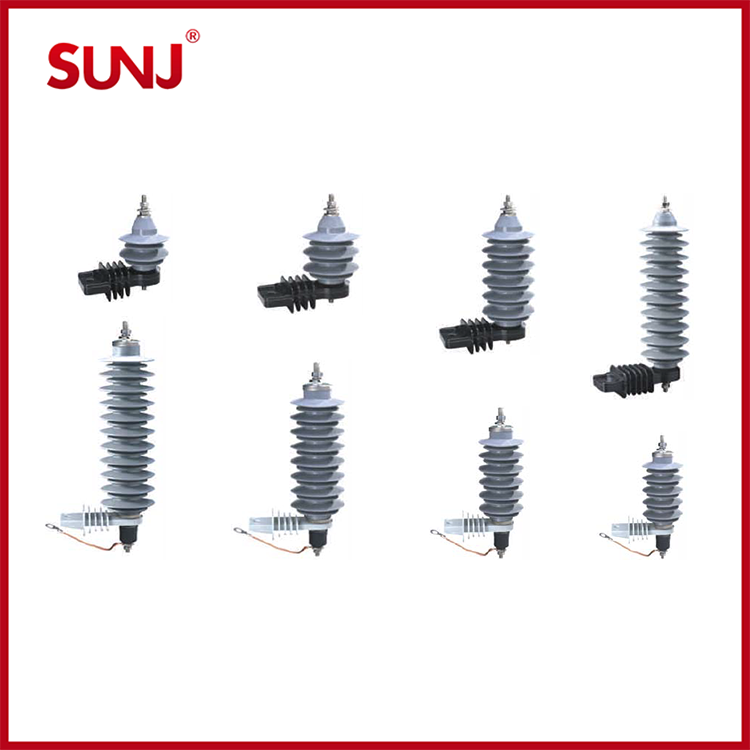
Product Overview:
Polymer surge arresters are critical protective devices used in electrical power systems to safeguard equipment from transient overvoltages caused by lightning strikes and switching operations. Their advanced polymer construction offers superior performance and durability, making them an essential component in modern power infrastructure.
Technical Specifications:
● Material: Polymeric housing with silicone rubber insulation
● Voltage Rating: Ranges from 3 kV to 765 kV
● Energy Absorption Capacity: High energy handling capability suitable for various applications
● Operating Temperature: -40°C to +85°C
● Creepage Distance: Designed to meet pollution level requirements
Polymer surge arresters are a vital component in modern electrical power systems, offering robust protection against transient overvoltages. Their lightweight, durable construction and excellent weather resistance make them an ideal choice for ensuring the reliability and safety of electrical infrastructure across various applications. With compliance to international standards and a maintenance-free design, polymer surge arresters provide a dependable and cost-effective solution for surge protection.
The Zinc oxide lightning arrester protects the electrical equipment in AC power systems against being damaged by atmospheric over voltage and operational over voltage.


Product Specification:
| Nominal Discharge Current 5kA Metal-oxide Lightning Arrester Without Gaps | |||||||
| Type | Rated voltage kV (rms) | Maximum continuous operation voltage kV(rms) | Max.Residual voltage | 2000μs Square wave currentimpulse withstandA(peak) | 4/10μs High currentimpulse kA (Peak) | ||
| Steep current impulse kV(peak) | Switching current impulse kV(peak) | Lightning current impulse kV(peak) | |||||
| HY5W-3 | 3 | 2.55 | 9.5 | 7.7 | 9 | 100 | 65 |
| HY5W-6 | 6 | 5.1 | 19 | 15.4 | 18 | 100 | 65 |
| HY5W-9 | 9 | 7.65 | 28.5 | 23.1 | 27 | 100 | 65 |
| HY5W-10 | 10 | 8.3 | 36 | 27 | 30 | 100 | 65 |
| HY5W-11 | 11 | 9.5 | 38.5 | 30 | 33 | 100 | 65 |
| HY5W-12 | 12 | 10.2 | 38 | 30.8 | 36 | 100 | 65 |
| HY5W-15 | 15 | 12.7 | 47.5 | 38.5 | 45 | 100 | 65 |
| HY5W-18 | 18 | 15.3 | 57 | 46.2 | 54 | 100 | 65 |
| HY5W-21 | 21 | 17 | 66.5 | 53.9 | 63 | 100 | 65 |
| HY5W-24 | 24 | 19.5 | 76 | 61.6 | 72 | 100 | 65 |
| HY5W-27 | 27 | 21.9 | 85.5 | 69.3 | 81 | 100 | 65 |
| HY5W-30 | 30 | 24.4 | 95 | 76.5 | 90 | 100 | 65 |
| HY5W-33 | 33 | 26.8 | 104 | 84.7 | 99 | 100 | 65 |
| HY5W-36 | 36 | 29 | 114 | 92.7 | 108 | 100 | 65 |
| HY5W-42 | 42 | 34.1 | 132.3 | 100.1 | 126 | 100 | 65 |
| Nominal Discharge Current 10kA Metal-oxide Lightning Arrester Without Gaps | |||||||
| Type | Rated voltage kV(rms) | Maximum continuous operation voltage kV(rms) | Max.Residual voltage | 2000μs Square wave currentimpulse withstand A(peak) | 4/10μs High currentimpulse kA (Peak) | ||
| Steep current impulse kV(peak) | Switching current impulse kV(peak) | Lightning current impulse kV(peak) | |||||
| HY10W-3 | 3 | 2.55 | 9.5 | 7.7 | 9 | 250 | 100 |
| HY10W-6 | 6 | 5.1 | 19 | 15.4 | 18 | 250 | 100 |
| HY10W-9 | 9 | 7.65 | 28.5 | 23.1 | 27 | 250 | 100 |
| HY10W-10 | 10 | 8.3 | 36 | 27 | 30 | 250 | 100 |
| HY10W-11 | 11 | 9.5 | 38.5 | 30 | 33 | 250 | 100 |
| HY10W-12 | 12 | 10.2 | 38 | 30.8 | 36 | 250 | 100 |
| HY10W-15 | 15 | 12.7 | 47.5 | 38.5 | 45 | 250 | 100 |
| HY10W-18 | 18 | 15.3 | 57 | 46.2 | 54 | 250 | 100 |
| HY10W-21 | 21 | 17 | 66.5 | 53.9 | 63 | 250 | 100 |
| HY10W-24 | 24 | 19.5 | 76 | 61.6 | 72 | 250 | 100 |
| HY10W-27 | 27 | 21.9 | 85.5 | 69.3 | 81 | 250 | 100 |
| HY10W-30 | 30 | 24.4 | 95 | 76.5 | 90 | 250 | 100 |
| HY10W-33 | 33 | 26.8 | 104 | 84.7 | 99 | 250 | 100 |
| HY10W-36 | 36 | 29 | 114 | 92.7 | 108 | 250 | 100 |
| HY10W-42 | 42 | 34.1 | 133 | 100 | 126 | 250 | 100 |
| HY10W-48 | 48 | 39 | 152 | 126 | 150 | 250 | 100 |
| HY10W-54 | 54 | 43 | 171 | 139 | 162 | 250 | 100 |
| HY10W-60 | 60 | 48 | 208 | 160 | 180 | 250 | 100 |
| HY10W-66 | 66 | 53.4 | 230 | 172 | 198 | 250 | 100 |
FAQ: Expert Insights on Polymer Surge Arresters
- Q: What is the primary function of a polymer surge arrester?
A: A polymer surge arrester is designed to protect electrical distribution and transmission systems from dangerous overvoltage spikes caused by lightning strikes or switching surges, safely diverting the excess current to the ground. - Q: Why choose polymer-housed arresters over traditional porcelain alternatives?
A: Polymer surge arresters offer superior shatter resistance, lighter weight for easier installation, excellent hydrophobic properties, and superior performance in heavily polluted or coastal environments. - Q: What voltage classes are SUNJ polymer surge arresters available in?
A: We manufacture a comprehensive range of surge arresters suitable for various medium and high-voltage distribution networks, typically ranging from 11kV up to 33kV and beyond. - Q: How does silicone rubber housing improve arrester longevity?
A: High-grade silicone rubber provides exceptional UV resistance and hydrophobic characteristics, preventing tracking and flashover even under severe industrial pollution and heavy rainfall. - Q: Can surge arresters be installed in horizontal positions?
A: Yes, many modern polymer surge arresters are engineered with high mechanical strength, allowing for flexible vertical, horizontal, or under-hung installations depending on crossarm configurations. - Q: What maintenance is required for installed polymer surge arresters?
A: They are generally maintenance-free, but routine visual inspections should be performed annually to check for surface contamination, mechanical damage, or disconnections in the ground lead. - Q: Do SUNJ surge arresters comply with international standards?
A: Yes, our arresters are strictly engineered and tested in accordance with global benchmarks such as IEC 60099-4 to ensure maximum reliability and safety. - Q: How do I select the correct rated voltage for my network?
A: Selection depends on your system’s maximum continuous operating voltage (MCOV) and earthing system design. You can contact our technical team for custom load and voltage recommendations. - Q: What causes a surge arrester to fail or disconnect?
A: Extreme overvoltages exceeding the energy absorption rating or direct structural impacts can trigger failure, which is why choosing a reputable manufacturer like SUNJ is vital for grid safety. - Q: Where can I request technical drawings and load data sheets?
A: You can easily download product specifications directly from our website or reach out via our contact page for project-specific engineering support.