
Introduction
In modern electrical installations, ensuring secure and reliable cable connections is critical for safety, efficiency, and system longevity. One essential component that makes this possible is the mechanical torque lug. This article explains what mechanical torque lugs are, how they work, and why they are increasingly preferred in electrical systems.
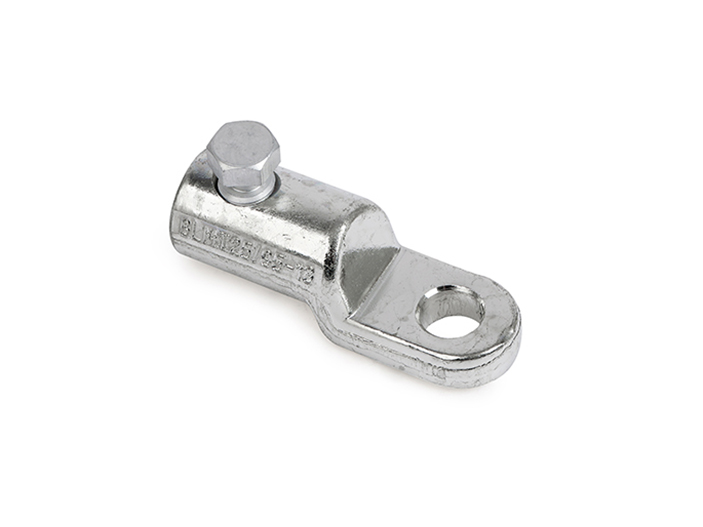
What Are Mechanical Torque Lugs?
A mechanical torque lug is a type of electrical terminal designed to connect electrical cables to equipment, busbars, or other conductors without the need for soldering or welding. Unlike traditional compression lugs that require specialized tools to crimp or compress the cable, mechanical torque lugs use a pre-determined torque to secure the conductor.
Key features of mechanical torque lugs include:
Tool-free or minimal-tool installation: Tightened using a standard torque wrench, ensuring a consistent connection.
High reliability: Provides strong mechanical and electrical connections.
Versatility: Compatible with copper, aluminum, or bi-metal cables.
Maintenance-friendly: Easy to inspect and re-tighten if necessary.
How Do Mechanical Torque Lugs Work?
Mechanical torque lugs operate based on the principle of torque-controlled clamping. Here’s a step-by-step explanation of the process:
Insert the Cable
The stripped end of the electrical cable is inserted into the lug barrel.
Apply Torque
Using a calibrated torque wrench, the installer tightens the bolt on the lug.
The bolt compresses the conductor against the lug body, creating a secure mechanical connection.
Achieve Electrical Contact
The compression ensures low contact resistance, which minimizes heat generation and improves electrical efficiency.
Locking Mechanism (Optional)
Some mechanical torque lugs have additional locking plates or washers to prevent loosening due to vibration or thermal cycling.
Advantages of Mechanical Torque Lugs
Mechanical torque lugs are widely used in industrial, commercial, and renewable energy applications due to their numerous benefits:
Consistent Connection Quality: Torque-controlled installation ensures every connection meets manufacturer specifications.
Time-Saving: No need for crimping tools or soldering, making installation faster and safer.
Reusability: Can be disassembled and reinstalled if system modifications are needed.
Reduced Risk of Over-Tightening or Loosening: The torque specification prevents damage to the conductor and reduces maintenance issues.
Improved Safety: Provides reliable electrical and mechanical connections, reducing the risk of overheating or electrical faults.
Common Applications
Mechanical torque lugs are used in a wide range of electrical projects, including:
Switchgear and Distribution Panels: For connecting large conductors to busbars.
Renewable Energy Installations: Solar and wind power systems, where vibration-resistant connections are critical.
Industrial Facilities: Motors, transformers, and heavy machinery connections.
Commercial Buildings: Reliable connections for high-capacity electrical distribution systems.
Conclusion
Mechanical torque lugs are a practical and reliable solution for modern electrical connections. By providing secure, consistent, and maintenance-friendly connections, they enhance both safety and efficiency in electrical installations. For engineers, electricians, and system designers, understanding how mechanical torque lugs work is essential to ensure optimal performance and long-term reliability of power distribution systems.
FAQ
Q1: Can mechanical torque lugs be used with aluminum cables?
Yes, many mechanical torque lugs are compatible with both copper and aluminum conductors, sometimes featuring bi-metal designs to prevent corrosion.
Q2: Do I need special tools to install them?
No, a standard torque wrench is typically sufficient, though some models may include additional locking mechanisms.
Q3: How do I know the correct torque?
Always refer to the manufacturer’s specifications, which are usually based on cable size and material.
Q4: Are they reusable?
Yes, mechanical torque lugs can be removed and reinstalled if the system requires changes or maintenance.