
Introduction
In electrical power and grounding systems, ensuring secure and reliable conductor connections is essential for safety and performance. One widely used solution for this purpose is the copper parallel groove clamp. Known for its excellent conductivity and durability, this component plays a key role in maintaining stable electrical connections in various applications.
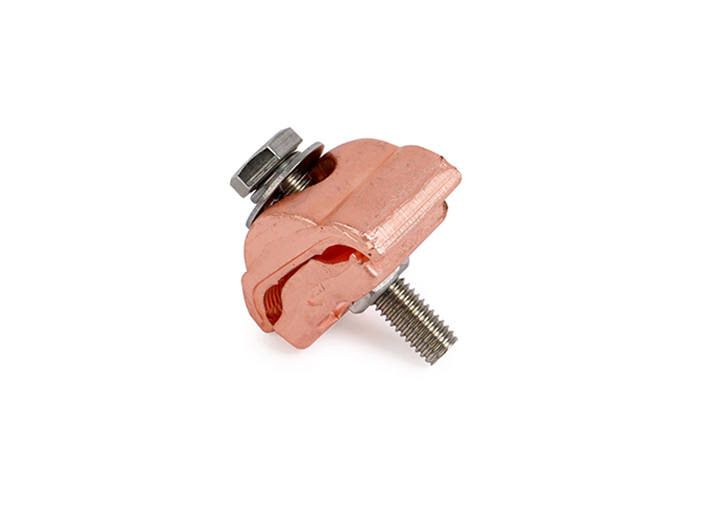
What Is a Copper Parallel Groove Clamp?
A copper parallel groove clamp (PG clamp) is a mechanical connector designed to join two parallel conductors. Typically made from high-conductivity copper or copper alloy, it consists of a grooved body and a clamping mechanism—usually bolts and nuts—that firmly secure the conductors in place.
The “parallel groove” design refers to the shape of the clamp, which allows it to hold two conductors side by side within grooved channels. This ensures maximum contact area and optimal electrical conductivity.
How Does a Copper Parallel Groove Clamp Work?
The working principle of a copper parallel groove clamp is straightforward yet highly effective:
1. Conductor Placement
Two conductors—often copper wires or cables—are placed into the parallel grooves of the clamp body. These grooves are precisely shaped to match the conductor size and ensure proper alignment.
2. Mechanical Tightening
Bolts are tightened to apply pressure on the conductors. As the bolts are secured, the clamp compresses the conductors firmly within the grooves.
3. Electrical Connection
The applied pressure creates a strong mechanical bond and reduces contact resistance between the conductors. This ensures efficient electrical conductivity and minimizes energy loss.
4. Long-Term Stability
Copper’s natural resistance to corrosion helps maintain a stable connection over time, even in harsh environmental conditions. This makes the clamp reliable for long-term use with minimal maintenance.
Key Features of Copper Parallel Groove Clamps
High Electrical Conductivity: Copper ensures minimal resistance and efficient current flow.
Corrosion Resistance: Ideal for outdoor and high-humidity environments.
Strong Mechanical Strength: Provides a secure and vibration-resistant connection.
Easy Installation: Simple bolting mechanism allows quick and efficient setup.
Reusability: Can often be removed and reused without significant performance loss.
Common Applications
Copper parallel groove clamps are widely used in:
Overhead power lines: For tapping or joining conductors
Grounding systems: Ensuring reliable earthing connections
Substations: Connecting busbars and conductors
Lightning protection systems: Providing secure bonding between conductors
Advantages Over Other Connectors
Compared to other types of connectors, copper parallel groove clamps offer:
Better conductivity than aluminum alternatives
Lower maintenance requirements due to corrosion resistance
Higher reliability in critical electrical connections
Compatibility with copper conductors, avoiding galvanic corrosion
Conclusion
A copper parallel groove clamp is a simple yet highly effective solution for connecting parallel conductors in electrical systems. By combining strong mechanical clamping with excellent electrical conductivity, it ensures safe, stable, and long-lasting connections. Whether used in power distribution, grounding, or industrial applications, these clamps remain an essential component in modern electrical infrastructure.
FAQ
1. What is a copper parallel groove clamp used for?
A copper parallel groove clamp is used to connect two parallel conductors, typically in power distribution, grounding, and lightning protection systems. It ensures a secure mechanical and electrical connection.
2. Can copper parallel groove clamps be used with aluminum conductors?
It is generally not recommended to use copper clamps directly with aluminum conductors due to the risk of galvanic corrosion. If needed, bimetallic connectors should be used instead.
3. How do I choose the right size of a parallel groove clamp?
You should select a clamp that matches the diameter and type of the conductors being connected. Proper sizing ensures maximum contact area and reliable performance.
4. Are copper parallel groove clamps suitable for outdoor use?
Yes, copper parallel groove clamps are highly resistant to corrosion, making them suitable for outdoor environments, including high humidity and polluted areas.
5. How tight should the bolts be during installation?
Bolts should be tightened according to the manufacturer’s recommended torque values. Over-tightening may damage the conductors, while under-tightening can lead to poor electrical contact.
6. Do copper parallel groove clamps require maintenance?
They require minimal maintenance, but periodic inspection is recommended to ensure that bolts remain tight and there is no visible corrosion or wear.
7. Can these clamps be reused?
Yes, in many cases copper parallel groove clamps can be reused if they are not damaged or excessively worn. However, it is important to inspect them carefully before reuse.
8. What are the main advantages of copper over other materials?
Copper offers excellent electrical conductivity, strong corrosion resistance, and long-term reliability, making it ideal for critical electrical connections.
9. Where are copper parallel groove clamps commonly installed?
They are commonly installed in overhead lines, substations, grounding systems, and industrial electrical installations.
10. What problems can occur with improper installation?
Improper installation can lead to high contact resistance, overheating, power loss, or even connection failure, which may result in safety hazards.