
Introduction
Selecting the right copper parallel groove clamp is essential for ensuring safe, efficient, and long-lasting electrical connections. Whether you are working on power distribution lines, grounding systems, or industrial installations, the correct clamp can significantly impact performance and reliability. This guide will walk you through the key factors to consider when choosing the right clamp for your project.
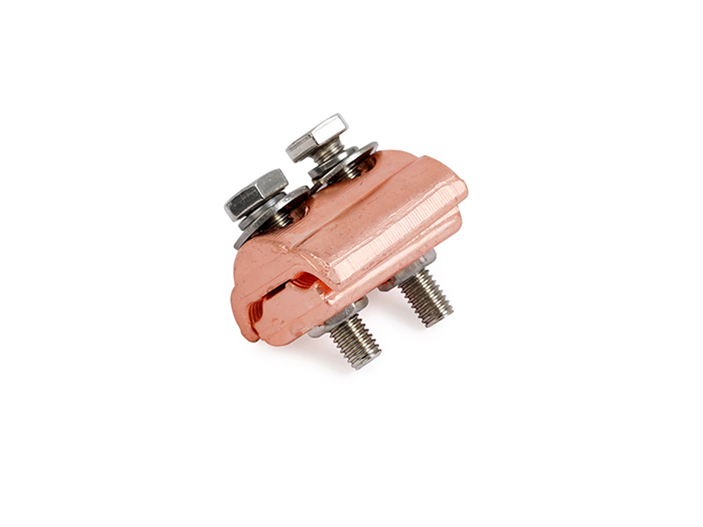
Understand Your Application Requirements
Before selecting a clamp, clearly define where and how it will be used. Different applications have different demands:
Overhead power lines: Require strong mechanical strength and weather resistance
Grounding systems: Demand excellent conductivity and corrosion resistance
Substations and industrial setups: Need high reliability under continuous load
Understanding your application helps narrow down the most suitable clamp type.
Match the Conductor Material
Copper parallel groove clamps are specifically designed for copper conductors. Using them with aluminum wires can lead to galvanic corrosion, which reduces connection life and performance.
If your system involves mixed conductors, consider using bimetallic connectors instead of pure copper clamps.
Select the Correct Conductor Size Range
One of the most critical factors is choosing a clamp that fits your conductor size:
Check the minimum and maximum conductor diameter supported by the clamp
Ensure both conductors fit securely within the grooves
Avoid undersized clamps (which may not fit) or oversized ones (which reduce contact pressure)
Proper sizing ensures optimal electrical contact and mechanical stability.
Evaluate Electrical Conductivity Needs
Copper clamps are known for their excellent conductivity, but design and surface quality also matter:
Look for clamps with smooth, well-machined grooves
Ensure maximum contact area between conductors
Choose high-purity copper or copper alloy for better performance
This helps minimize energy loss and heat generation.
Consider Mechanical Strength and Clamping Force
A reliable connection depends on sufficient clamping force:
Check the bolt quality and strength
Ensure the clamp can withstand vibration, wind, and mechanical stress
Prefer designs with high tensile strength and durable hardware
Strong mechanical performance is especially important for overhead installations.
Check Corrosion Resistance
Although copper naturally resists corrosion, environmental factors still matter:
For coastal or humid areas, choose clamps with enhanced corrosion protection
Look for tin-plated copper clamps for improved durability
Ensure bolts and nuts are also corrosion-resistant
This extends the lifespan of the connection in harsh conditions.
Verify Installation Requirements
Ease of installation can save time and reduce errors:
Choose clamps with simple bolt-on designs
Check if special tools or torque requirements are needed
Ensure clear installation guidelines are available
A user-friendly design improves efficiency and consistency during installation.
Compliance with Standards
Always select clamps that meet relevant industry standards:
International standards such as IEC or ASTM
Local electrical regulations and safety codes
Certified products provide assurance of quality, safety, and performance.
Assess Reusability and Maintenance Needs
Some projects may require future adjustments or maintenance:
Choose clamps that can be easily inspected and retightened
Consider whether the clamp can be reused without performance loss
Plan for periodic inspection in critical systems
This helps reduce long-term operational costs.
Balance Cost and Quality
While cost is always a factor, it should not compromise performance:
Avoid low-quality clamps that may fail prematurely
Invest in reliable materials and proven designs
Consider total lifecycle cost rather than just initial price
A high-quality clamp provides better value over time.
Conclusion
Choosing the right copper parallel groove clamp involves more than just picking a size—it requires careful consideration of application, conductor compatibility, mechanical strength, and environmental conditions. By evaluating these key factors, you can ensure a secure, efficient, and durable electrical connection for your project.
FAQ
1. What factors should I consider when selecting a copper parallel groove clamp?
Key factors include conductor size, material compatibility, application type, mechanical strength, corrosion resistance, and compliance with industry standards.
2. How do I know which clamp size is suitable for my conductors?
You should check the conductor diameter and compare it with the clamp’s specified range. The clamp must securely fit both conductors to ensure proper contact and performance.
3. Can I use one clamp size for different conductor sizes?
Some clamps support a range of conductor sizes, but using a clamp outside its specified range can lead to poor contact or mechanical instability.
4. Is it safe to use copper clamps with aluminum wires?
No, direct connection between copper clamps and aluminum conductors can cause galvanic corrosion. A bimetallic connector is recommended for such applications.
5. What type of bolt material is best for these clamps?
High-strength, corrosion-resistant materials such as galvanized steel or stainless steel are commonly used to ensure durability and reliable clamping force.
6. Are tin-plated copper clamps better than bare copper ones?
Tin-plated copper clamps offer enhanced corrosion resistance, making them more suitable for harsh environments like coastal or high-humidity areas.
7. Do I need special tools to install a parallel groove clamp?
Most clamps require standard tools such as wrenches. However, using a torque wrench is recommended to achieve the correct tightening force.
8. How important is torque during installation?
Proper torque is critical. Under-tightening can result in high resistance and overheating, while over-tightening may damage the conductor or clamp.
9. Can copper parallel groove clamps be reused?
Yes, they can often be reused if they are in good condition. Always inspect for wear, deformation, or corrosion before reuse.
10. How often should these clamps be inspected?
Regular inspections are recommended, especially in critical systems. The frequency depends on environmental conditions and system load, but periodic checks help ensure long-term reliability.