
Introduction
Selecting the right ground clamp is essential for ensuring electrical safety, system performance, and long-term reliability. Whether you are working on residential wiring, industrial systems, or power distribution networks, choosing between brass and copper ground clamps requires careful evaluation of several key factors.
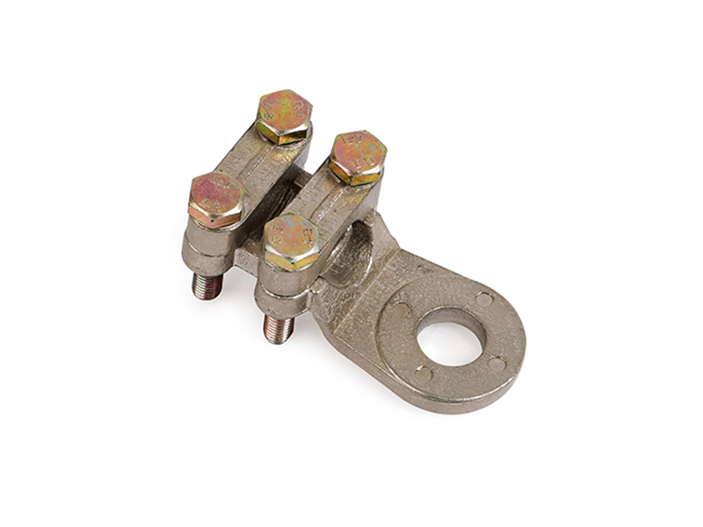
Understand the Difference Between Brass and Copper
The first step is to choose the appropriate material based on your application:
Copper Ground Clamps
Offer excellent electrical conductivity
Ideal for high-performance and critical grounding systems
Commonly used in substations, power grids, and sensitive equipment
Brass Ground Clamps
Provide good conductivity with superior mechanical strength
Highly resistant to corrosion and wear
Suitable for outdoor and general-purpose applications
Consider the Current Rating
Ground clamps must be capable of handling the expected electrical load, especially during fault conditions.
Residential systems: typically lower current requirements
Industrial systems: medium to high current capacity
Welding or heavy-duty use: requires high amp ratings (300A–500A or more)
Always select a clamp with a current rating that meets or exceeds your system requirements to ensure safety.
Check Compatibility with Conductors and Grounding Points
A ground clamp must properly fit both:
The grounding conductor size (wire diameter)
The grounding surface (rod, pipe, or structural metal)
Using an incompatible clamp can result in loose connections, increased resistance, and potential safety hazards.
Choose the Right Type of Ground Clamp
Different applications require different clamp designs:
Ground rod clamps: Used for connecting wires to grounding rods
Pipe clamps: Used for bonding to water or gas pipes
Welding ground clamps: Designed for temporary high-current grounding
Direct burial clamps: Suitable for underground grounding systems
Selecting the correct type ensures proper installation and optimal performance.
Evaluate Environmental Conditions
The installation environment plays a major role in material selection:
Outdoor or humid environments require corrosion-resistant materials
Industrial environments may involve vibration, heat, or chemicals
Underground installations need long-lasting and durable clamps
Brass is generally better for harsh environments, while copper is preferred where maximum conductivity is required.
Look for Strong Mechanical Performance
A reliable ground clamp should provide:
Firm and secure clamping force
Resistance to loosening over time
Stable electrical contact under vibration or thermal expansion
A weak connection can compromise the entire grounding system.
Verify Compliance and Quality Standards
Always choose ground clamps that meet recognized standards such as:
UL (Underwriters Laboratories)
IEC (International Electrotechnical Commission)
Certified products ensure consistent performance, safety, and compliance with electrical codes.
Ease of Installation and Maintenance
Good ground clamps should be:
Easy to install with standard tools
Designed for quick and secure attachment
Accessible for inspection and maintenance
This reduces installation time and ensures long-term reliability.
Conclusion
Choosing the right brass or copper ground clamp involves more than just selecting a material. You need to consider conductivity, current rating, compatibility, environmental conditions, and application type.
Choose copper for high-performance and critical systems
Choose brass for durability, corrosion resistance, and general use
By selecting the appropriate ground clamp, you ensure a safe, efficient, and compliant electrical installation.
FAQ
1.Which is better: brass or copper ground clamps?
Copper offers better conductivity, while brass provides greater durability and corrosion resistance. The best choice depends on your application.
2.Can I use a brass clamp for grounding?
Yes, brass clamps are widely used and suitable for most general grounding applications.
3.What size ground clamp should I choose?
It should match both your conductor size and the grounding surface (rod or pipe).
4.Are ground clamps suitable for outdoor use?
Yes, especially those made from corrosion-resistant materials like brass or treated copper.
5.Do ground clamps require maintenance?
Yes, periodic inspection is recommended to ensure tight connections and prevent corrosion.