
Introduction
Power distribution systems are responsible for delivering electricity safely and efficiently across residential, commercial, industrial, and utility networks. In these systems, cable connections are among the most critical points because any weakness in the connection can lead to overheating, insulation failure, electrical faults, or even serious accidents.
Cable joint kits play an essential role in ensuring the safety and reliability of electrical distribution systems. Designed to securely connect power cables while restoring insulation and environmental protection, these kits help reduce operational risks and improve long-term system stability.
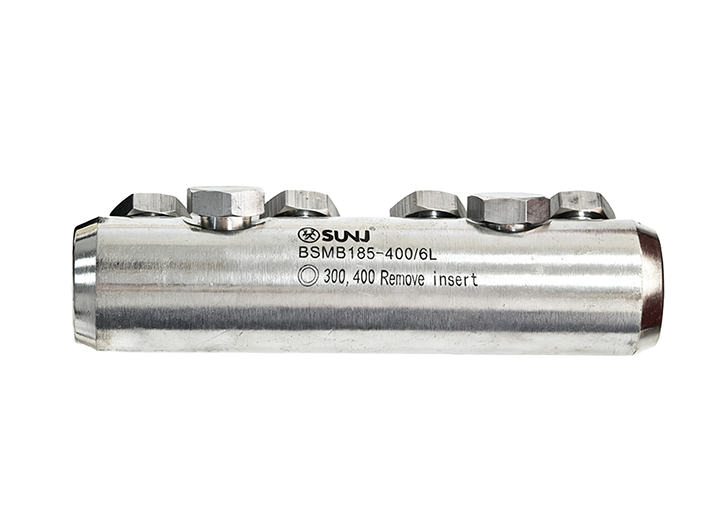
What Is a Cable Joint Kit?
A cable joint kit is a collection of components used to connect electrical cables safely and reliably. These kits are engineered to restore the cable’s original electrical, mechanical, and insulation performance after the cable has been cut or extended.
Cable joint kits are commonly used in:
Power distribution networks
Industrial plants
Underground cable systems
Renewable energy projects
Commercial buildings
Transportation infrastructure
Utility substations
Depending on the application, cable joint kits are available for low voltage, medium voltage, and high voltage systems.
Why Safety Matters in Power Distribution
Electrical power systems operate under high currents and voltages. Poor cable connections can create dangerous conditions, including:
Electrical arcing
Overheating
Fire hazards
Power outages
Equipment damage
Electric shock risks
Insulation breakdown
Reliable cable joints help minimize these risks by ensuring stable electrical performance and strong environmental protection.
How Cable Joint Kits Improve Safety
1. Preventing Electrical Short Circuits
One of the primary safety functions of a cable joint kit is to maintain proper insulation between conductors.
Without adequate insulation, exposed conductors may come into contact with each other or surrounding metal surfaces, causing short circuits.
Cable joint kits use advanced insulation materials such as:
Heat shrink tubing
Silicone rubber
EPDM insulation
Resin compounds
These materials provide excellent dielectric strength and help prevent accidental electrical contact.
2. Reducing Overheating Risks
Poor cable connections often create high electrical resistance, which leads to heat generation.
Excessive heat can damage insulation, weaken conductors, and increase the risk of electrical fires.
High-quality cable joint kits improve conductor continuity and reduce resistance at connection points. This helps:
Maintain stable current flow
Reduce energy loss
Prevent hot spots
Improve overall system efficiency
Thermally stable materials also ensure safe operation under heavy electrical loads.
3. Protecting Against Moisture and Environmental Damage
Moisture is a major cause of electrical failure in power distribution systems. Water ingress can lead to corrosion, insulation degradation, and short circuits.
Cable joint kits are designed with sealing technologies that protect against:
Water penetration
Dust contamination
Humidity
Chemicals
UV exposure
Corrosive environments
Proper environmental sealing is especially important in:
Underground cable systems
Outdoor substations
Coastal regions
Industrial facilities
Waterproof cable joint kits significantly improve operational safety and reliability.
4. Controlling Electrical Stress
In medium and high voltage systems, electrical stress tends to concentrate around cable joints.
If not properly controlled, these stress concentrations may cause:
Partial discharge
Insulation failure
Arc formation
Premature aging
Advanced cable joint kits include stress control technologies such as:
Stress grading tubes
Semi-conductive layers
Field control materials
These components distribute electrical stress evenly and improve insulation performance.
5. Improving Mechanical Protection
Cable joints are often exposed to physical stress, vibration, and movement.
Weak or unstable joints may loosen over time, increasing the risk of:
Conductor separation
Arcing
Power interruption
Mechanical damage
Cable joint kits improve mechanical safety by:
Reinforcing the cable structure
Securing conductor connections
Absorbing mechanical strain
Protecting against vibration
This is particularly important in industrial machinery, transportation systems, and renewable energy installations.
6. Supporting Fire Safety
Electrical faults are one of the leading causes of industrial and building fires.
Modern cable joint kits often use flame-retardant and heat-resistant materials that help limit fire propagation.
These safety features help:
Reduce ignition risk
Improve system reliability
Protect nearby equipment
Enhance workplace safety
Flame-retardant cable accessories are especially important in confined spaces such as tunnels, substations, and data centers.
7. Ensuring Stable Power Transmission
Unstable cable connections can lead to voltage fluctuations and power interruptions.
Reliable cable joint kits maintain consistent electrical continuity, helping power systems operate safely and efficiently.
Stable transmission is essential for:
Industrial automation
Sensitive electronic equipment
Hospitals
Data centers
Renewable energy systems
Reducing unexpected downtime also improves operational safety and productivity.
Types of Cable Joint Kits Used in Power Distribution
Heat Shrink Cable Joint Kits
Heat shrink kits use heat-applied tubing to seal and insulate cable connections.
Advantages include:
Excellent insulation
Strong environmental sealing
High mechanical strength
Long service life
These are widely used in medium voltage power systems.
Cold Shrink Cable Joint Kits
Cold shrink kits use elastic pre-expanded materials that automatically shrink into place.
Benefits include:
Faster installation
No heating equipment required
Lower installation risk
Excellent flexibility
They are ideal for confined or hazardous environments.
Resin Cable Joint Kits
Resin kits encapsulate the cable connection with insulating resin compounds.
They offer:
Superior waterproofing
Strong mechanical protection
Excellent underground performance
These are commonly used in buried cable systems.
Common Applications of Cable Joint Kits
Utility Power Networks
Cable joint kits ensure safe and reliable electricity transmission in urban and rural grids.
Renewable Energy Projects
Solar farms and wind turbines rely on durable cable joints for long-term outdoor performance.
Industrial Facilities
Factories use cable joint kits to support heavy electrical loads and automation systems.
Transportation Infrastructure
Railways, airports, and tunnels require highly reliable cable connections for safe operation.
Commercial Buildings
Cable joints support lighting, HVAC systems, elevators, and backup power systems.
Common Causes of Unsafe Cable Joints
Even the best cable joint kit can fail if improperly installed.
Common safety issues include:
Incorrect cable preparation
Poor conductor crimping
Inadequate sealing
Using incompatible materials
Contamination during installation
Improper stress control application
Following manufacturer guidelines and using trained technicians are essential for safe installation.
How to Select a Safe and Reliable Cable Joint Kit
When choosing a cable joint kit, consider:
Voltage rating
Cable size and type
Environmental conditions
Waterproof requirements
Flame resistance
Mechanical strength
Compliance with international standards
Certified products from reliable manufacturers offer better safety and long-term performance.
The Future of Cable Joint Safety Technology
Modern cable joint technology continues to evolve with advancements such as:
Smart condition monitoring
Improved insulation materials
Enhanced fire-resistant designs
Faster installation systems
Eco-friendly materials
These innovations help improve the safety, efficiency, and reliability of power distribution networks
Conclusion
Cable joint kits are critical safety components in modern power distribution systems. By restoring insulation, controlling electrical stress, preventing moisture ingress, and improving mechanical stability, they help reduce electrical hazards and ensure reliable system operation.
Whether used in industrial plants, renewable energy systems, underground networks, or utility grids, high-quality cable joint kits provide long-term protection and improve overall electrical safety.
As electrical infrastructure continues to expand and modernize, reliable cable joint solutions will remain essential for safe and efficient power distribution.
What is the main purpose of a cable joint kit?
A cable joint kit is designed to safely connect electrical cables while restoring insulation, electrical continuity, and environmental protection. It helps ensure stable and secure power distribution.
Can poor cable joints cause electrical fires?
Yes. Poorly installed or damaged cable joints can create high resistance and overheating, which may lead to insulation failure and electrical fires. Using high-quality cable joint kits and proper installation practices helps minimize this risk.
Why is moisture protection important in cable joint kits?
Moisture can damage insulation, corrode conductors, and cause short circuits. Waterproof sealing systems in cable joint kits help protect electrical connections from environmental damage and improve long-term reliability.
What is electrical stress in cable joints?
Electrical stress refers to the concentration of electric fields around cable connection points, especially in medium and high voltage systems. Excessive stress can lead to insulation breakdown and partial discharge.
Stress control components inside cable joint kits help distribute the electrical field evenly.