
Introduction
Reliable electrical connections are the backbone of any safe and efficient power distribution system. Among the various options for connecting cables to equipment and busbars, mechanical torque lugs have emerged as a popular choice for both industrial and commercial applications. This article explores the key advantages of using mechanical torque lugs in electrical installations and why they are preferred over traditional methods.
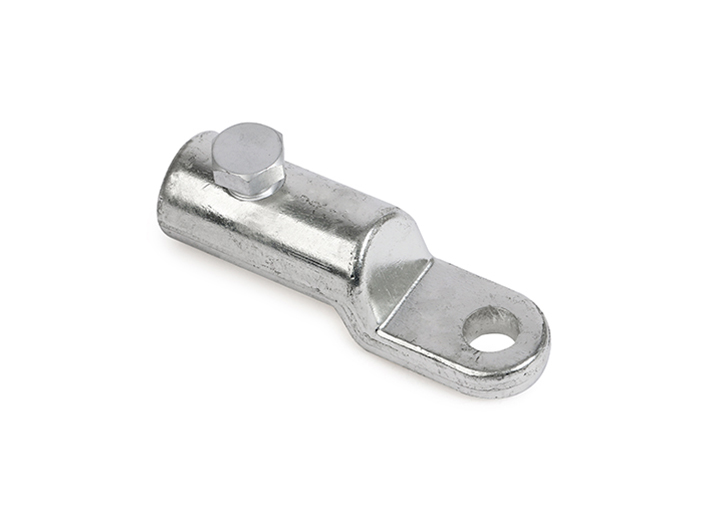
Consistent and Reliable Connections
One of the primary advantages of mechanical torque lugs is their ability to provide consistent electrical and mechanical connections. Unlike crimped or soldered lugs, which rely heavily on operator skill, mechanical torque lugs are tightened to a specific torque value, ensuring uniform compression across all connections.
Benefits:
Reduces the risk of loose connections.
Minimizes electrical resistance at the contact point.
Improves overall system reliability and safety.
Easy and Time-Saving Installation
Mechanical torque lugs are designed for quick and straightforward installation. They do not require complex crimping tools or soldering equipment. A simple torque wrench is enough to secure the conductor.
Benefits:
Saves time during large-scale installations.
Reduces labor costs.
Simplifies installation for field electricians, especially in tight spaces or high-voltage panels.
Maintenance-Friendly Design
Mechanical torque lugs are easy to inspect and maintain. Over time, vibrations or thermal cycling can cause traditional connections to loosen, but torque-controlled lugs maintain their specified compression. If needed, the connection can be easily re-torqued without replacing the lug.
Benefits:
Extends the lifespan of electrical connections.
Reduces downtime for system maintenance.
Enables safe periodic inspection and re-tightening.
Enhanced Safety
Safety is a critical factor in electrical installations. Mechanical torque lugs provide secure, low-resistance connections that reduce heat generation and the risk of electrical fires. Their design also minimizes the chances of over-tightening, which can damage conductors and compromise system safety.
Benefits:
Protects equipment and personnel from electrical hazards.
Reduces the likelihood of overheating or arc faults.
Meets industry safety standards for power distribution systems.
Versatility for Various Applications
Mechanical torque lugs are compatible with a wide range of conductor materials and sizes, including copper, aluminum, and bi-metallic cables. They are suitable for use in industrial, commercial, and renewable energy projects.
Common Applications:
Switchgear and distribution panels.
Motor and transformer connections.
Solar and wind energy systems.
High-voltage and low-voltage power distribution networks.
Cost-Effectiveness Over Time
While mechanical torque lugs may have a slightly higher upfront cost compared to basic compression lugs, they save money in the long run due to reduced labor, maintenance, and downtime. Their reliability also minimizes costly failures or replacements.
Benefits:
Lower total cost of ownership.
Reduced risk of downtime and repair expenses.
Long-term durability in harsh environments.
Conclusion
Mechanical torque lugs offer numerous advantages that make them an ideal choice for modern electrical installations. Their reliability, ease of installation, safety, and versatility provide both immediate and long-term benefits to engineers, electricians, and facility managers. By choosing mechanical torque lugs, you can ensure stable electrical connections, reduce maintenance needs, and improve overall system performance.
FAQ
Q1: Can mechanical torque lugs be reused?
Yes, they can be removed and reinstalled as needed, making them highly flexible for system upgrades or maintenance.
Q2: How do I determine the correct torque?
Manufacturers provide torque specifications based on cable size and type. Always use a calibrated torque wrench to meet these standards.
Q3: Are mechanical torque lugs suitable for outdoor installations?
Yes, many models are designed with corrosion-resistant coatings for harsh environments, including outdoor or industrial applications.
Q4: How do they compare to compression lugs?
Mechanical torque lugs reduce installation variability, require less specialized tooling, and allow for easier maintenance, making them a safer and more efficient option.