
Introduction
In modern electrical systems, mechanical torque lugs play a vital role in ensuring secure, reliable, and maintenance-friendly connections. Their versatility, efficiency, and safety features make them widely used in both industrial and commercial projects. This article explores the most common applications of mechanical torque lugs and highlights why they are preferred over traditional connection methods.
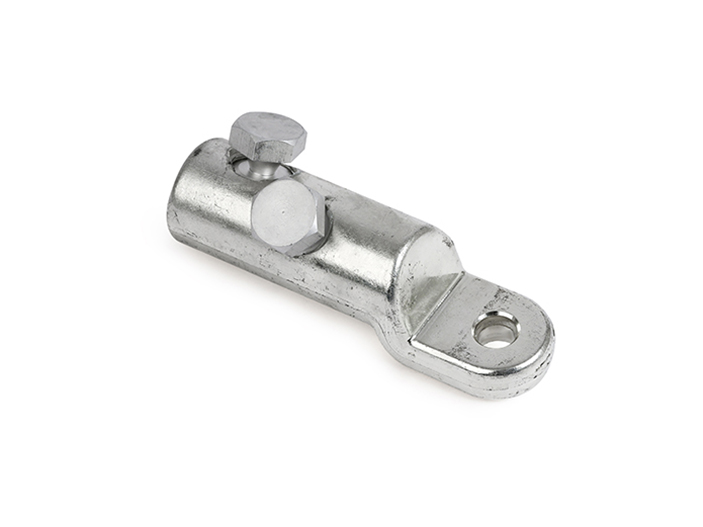
Electrical Distribution Panels and Switchgear
Mechanical torque lugs are extensively used in electrical distribution panels and switchgear systems. These lugs connect large conductors to busbars, circuit breakers, and distribution blocks with high reliability.
Why They Are Used:
Secure and consistent electrical contact.
Easy installation in confined spaces.
Reduced risk of overheating due to low contact resistance.
Example Applications:
Power distribution units in factories.
Commercial building switchboards.
High-capacity industrial panels.
Motor and Transformer Connections
Industrial motors and transformers often require robust connections to handle high currents. Mechanical torque lugs are ideal for these applications because they provide a vibration-resistant and maintenance-friendly connection.
Benefits:
Reduces risk of loose connections caused by motor vibration.
Ensures optimal conductivity for high-power equipment.
Simplifies maintenance with easy re-torquing
Renewable Energy Systems
With the rise of solar and wind energy projects, reliable cable connections have become critical. Mechanical torque lugs are commonly used in these renewable energy installations to connect conductors in solar arrays, inverters, and wind turbine systems.
Advantages in Renewable Energy:
Handles large currents efficiently.
Corrosion-resistant options for outdoor environments.
Easy installation in field conditions without specialized tools.
Industrial Machinery and Equipment
Industrial plants often involve complex machinery with high-power electrical connections. Mechanical torque lugs are used to connect heavy-duty cables to equipment such as:
Pumps and compressors
Conveyor systems
CNC machines and robotic arms
Why They Are Preferred:
Durable and resistant to mechanical stress.
Consistent torque ensures safety and performance.
Reduces downtime due to easier inspection and maintenance.
Commercial Building Power Systems
In commercial projects like office complexes, hospitals, and shopping malls, mechanical torque lugs are used for reliable and efficient power distribution. They are commonly installed in:
Main electrical panels
Sub-panels for individual floors or zones
Backup power systems
Key Benefits:
Supports both copper and aluminum conductors.
Allows for quick installation and future upgrades.
Meets industry safety and electrical standards.
Data Centers and Critical Infrastructure
Mechanical torque lugs are also ideal for data centers and critical infrastructure, where reliable power delivery is essential. They provide high-integrity connections that minimize the risk of downtime or power loss.
Applications Include:
Server room busbars
UPS (Uninterruptible Power Supply) connections
High-capacity cable terminations in control rooms
Benefits:
Reduces potential hotspots and electrical faults.
Easy to inspect and maintain.
Improves overall system reliability.
Conclusion
Mechanical torque lugs are a versatile and reliable solution for industrial and commercial electrical projects. From distribution panels and transformers to renewable energy systems and data centers, they provide secure connections, simplify installation, and reduce maintenance challenges. Choosing mechanical torque lugs ensures safe, efficient, and long-lasting electrical connections, making them an essential component in modern electrical infrastructure.
FAQ
Q1: Can mechanical torque lugs be used outdoors?
Yes, corrosion-resistant models are designed for outdoor and harsh environments, including solar and wind energy installations.
Q2: Are they compatible with both copper and aluminum cables?
Yes, many mechanical torque lugs support copper, aluminum, and even bi-metal conductors.
Q3: Do I need special tools to install them?
Typically, a calibrated torque wrench is sufficient, which simplifies field installation.
Q4: How do they compare to compression lugs in industrial applications?
Mechanical torque lugs offer more consistent connections, easier maintenance, and reduced risk of installation errors compared to traditional compression lugs.