
Introduction
In modern electrical systems, maintaining stable and secure cable connections is critical for safety, efficiency, and uninterrupted power transmission. Whether in industrial plants, renewable energy systems, underground power distribution, or commercial buildings, cable joints play a vital role in connecting power cables while preserving electrical and mechanical integrity.
A high-quality cable joint kit is designed to protect cable connections from environmental damage, electrical stress, moisture, and mechanical strain. Without proper cable jointing solutions, electrical systems become vulnerable to power loss, overheating, insulation failure, and even dangerous short circuits.
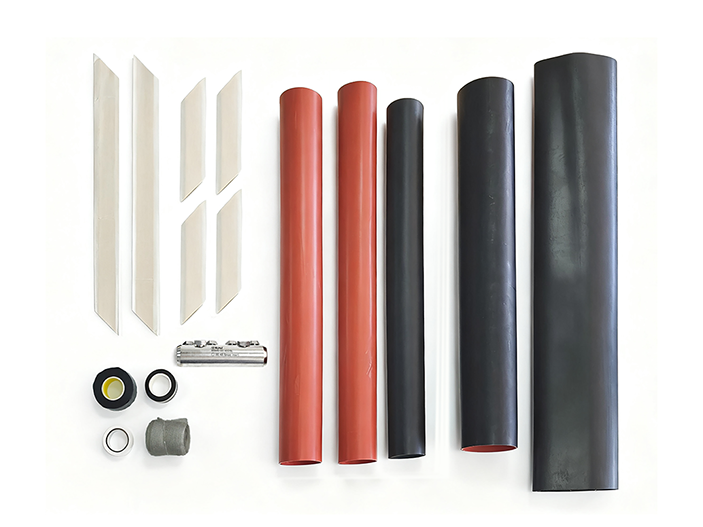
What Is a Cable Joint Kit?
A cable joint kit is a complete set of components used to safely connect two or more electrical cables. These kits are engineered to restore the cable’s original insulation, conductivity, and protective properties after installation.
Cable joint kits are commonly used in:
Power distribution systems
Underground cable networks
Renewable energy projects
Industrial machinery
Construction and infrastructure projects
Railway and transportation systems
Data centers and communication networks
Depending on the application, cable joint kits may be designed for low voltage, medium voltage, or high voltage systems.
Why Reliable Electrical Connections Matter
Electrical connections are often the weakest points in a power system. Poorly installed or low-quality cable joints can create several problems, including:
Increased electrical resistance
Excessive heat generation
Voltage drops
Moisture penetration
Insulation breakdown
Arc faults and short circuits
Unexpected equipment failure
Reliable cable joints help maintain stable current flow while protecting the connection from external and internal stresses.
Key Ways Cable Joint Kits Ensure Reliable Connections
1. Maintaining Electrical Continuity
The primary function of a cable joint kit is to create a continuous electrical path between cables.
High-quality conductors and connectors inside the kit minimize resistance at the joint point, ensuring efficient current transmission without excessive energy loss.
Proper electrical continuity helps:
Reduce overheating
Improve system efficiency
Prevent voltage instability
Maintain consistent power delivery
This is especially important in high-load industrial and utility applications.
2. Restoring Cable Insulation
When cables are joined, the original insulation layer is interrupted. Cable joint kits restore insulation protection to prevent electrical leakage and short circuits.
Modern cable joint kits use advanced insulating materials such as:
Cross-linked polyolefin
Silicone rubber
EPDM rubber
Heat shrink tubing
Cold shrink materials
These materials provide excellent dielectric strength and long-term insulation reliability.
In medium and high voltage systems, insulation performance is critical for preventing electrical discharge and insulation failure.
3. Protecting Against Moisture and Contamination
Moisture is one of the leading causes of cable joint failure. Water ingress can damage insulation, corrode conductors, and increase the risk of electrical faults.
Cable joint kits are designed with sealing systems that protect against:
Water penetration
Humidity
Dust
Chemicals
Corrosive environments
Many outdoor and underground cable joint kits achieve high IP protection ratings, making them suitable for harsh environmental conditions.
Heat shrink and cold shrink technologies create tight environmental seals that greatly improve long-term reliability.
4. Reducing Electrical Stress
In medium and high voltage applications, electrical stress tends to concentrate around cable joint areas. Uneven stress distribution can lead to partial discharge and insulation breakdown.
Advanced cable joint kits include stress control components that evenly distribute the electric field around the connection.
These may include:
Stress control tubes
Semi-conductive layers
Field grading materials
Proper stress management helps:
Prevent premature insulation aging
Improve operational stability
Extend cable service life
5. Providing Mechanical Strength
Cable joints are often exposed to vibration, pulling forces, bending, and thermal expansion. Weak joints can loosen over time, causing dangerous connection failures.
Cable joint kits improve mechanical durability by:
Securing conductors firmly
Reinforcing cable structure
Protecting against movement and vibration
Absorbing mechanical stress
This is especially important in industrial facilities, transportation systems, mining operations, and renewable energy installations.
6. Supporting Thermal Stability
Electrical cables generate heat during operation. Poor-quality joints may overheat due to increased resistance or inadequate insulation.
Modern cable joint kits use heat-resistant materials that maintain performance under varying temperatures.
Thermal stability helps prevent:
Melting insulation
Connector deformation
Power interruptions
Fire hazards
Reliable thermal management is particularly important in high-current applications.
Types of Cable Joint Kits
Heat Shrink Cable Joint Kits
Heat shrink kits use heat-applied tubing that tightly seals around the cable connection.
Advantages include:
Strong environmental sealing
Excellent insulation performance
High mechanical protection
Suitable for outdoor applications
These kits are widely used in medium voltage power systems.
Cold Shrink Cable Joint Kits
Cold shrink kits use pre-expanded elastic materials that shrink automatically after installation.
Benefits include:
Faster installation
No heating equipment required
Reduced installation risk
Excellent flexibility
Cold shrink technology is increasingly popular for modern electrical installations
Resin Cable Joint Kits
Resin kits use insulating resin compounds to encapsulate cable joints.
They provide:
High moisture resistance
Strong mechanical protection
Excellent durability in underground systems
These are commonly used in underground and submerged cable applications.
Applications of Cable Joint Kits
Reliable cable joints are essential in many industries, including:
Power Distribution Networks
Cable joint kits maintain stable electricity transmission in utility grids and substations.
Renewable Energy Systems
Solar farms and wind power installations rely on durable cable joints for outdoor reliability.
Industrial Manufacturing
Factories use cable joints to support machinery, automation systems, and heavy electrical loads.
Transportation Infrastructure
Railway systems, airports, and tunnels require safe and durable cable connections.
Data Centers and Telecommunications
Reliable cable joints help prevent downtime and ensure stable data transmission.
Common Causes of Cable Joint Failure
Even high-quality cable joint kits can fail if improperly installed.
Common causes include:
Incorrect cable preparation
Poor conductor crimping
Inadequate sealing
Contaminated surfaces
Improper stress control installation
Using the wrong joint kit type
Professional installation and correct product selection are essential for long-term performance.
How to Choose the Right Cable Joint Kit
When selecting a cable joint kit, consider:
Voltage level
Cable type and size
Indoor or outdoor application
Environmental conditions
Mechanical stress exposure
Moisture protection requirements
Installation method
Choosing certified products from reliable manufacturers helps ensure safety and durability.
The Future of Cable Joint Technology
As electrical infrastructure becomes more advanced, cable joint technology continues to evolve.
Modern trends include:
Smart monitoring systems
Improved insulation materials
Faster installation technologies
Higher environmental resistance
Copact joint designs for space-saving applications
These innovations help improve system efficiency, safety, and operational reliability.
Conclusion
Cable joint kits are essential components in modern electrical systems. They do much more than simply connect cables — they restore insulation, maintain electrical continuity, protect against environmental damage, reduce electrical stress, and ensure long-term system reliability.
By choosing high-quality cable joint kits and following proper installation practices, industries can significantly reduce downtime, improve safety, and extend the lifespan of their electrical infrastructure.
As power systems continue to grow in complexity and demand, reliable cable joint solutions will remain critical for safe and efficient electrical connectivity.
FAQ
What is a cable joint kit used for?
A cable joint kit is used to safely connect two or more electrical cables while maintaining electrical continuity, insulation, and environmental protection. It helps ensure reliable power transmission in electrical systems.
What is the difference between heat shrink and cold shrink cable joint kits?
Heat shrink cable joint kits require heat to shrink the insulation tubing around the cable, while cold shrink kits use pre-expanded elastic materials that automatically contract after installation.
Cold shrink kits are generally faster to install and safer in environments where open flames are not suitable.
Can cable joint kits be used underground?
Yes. Many cable joint kits are specifically designed for underground applications and provide excellent waterproofing, corrosion resistance, and mechanical protection.
Resin and heat shrink joint kits are commonly used in underground power systems.
How long does a cable joint kit last?
A properly installed high-quality cable joint kit can last 20 years or more, depending on operating conditions, environmental exposure, and maintenance practices.