
Introduction
Cable joint kits are essential components in modern electrical systems, providing secure connections between power cables while maintaining insulation, conductivity, and mechanical protection. However, one of the biggest threats to cable joint reliability is moisture intrusion.
Water ingress can severely damage electrical systems by causing insulation failure, corrosion, short circuits, and power outages. This is why waterproof sealing is one of the most critical features in any cable joint kit, especially for outdoor, underground, industrial, and high-humidity applications.
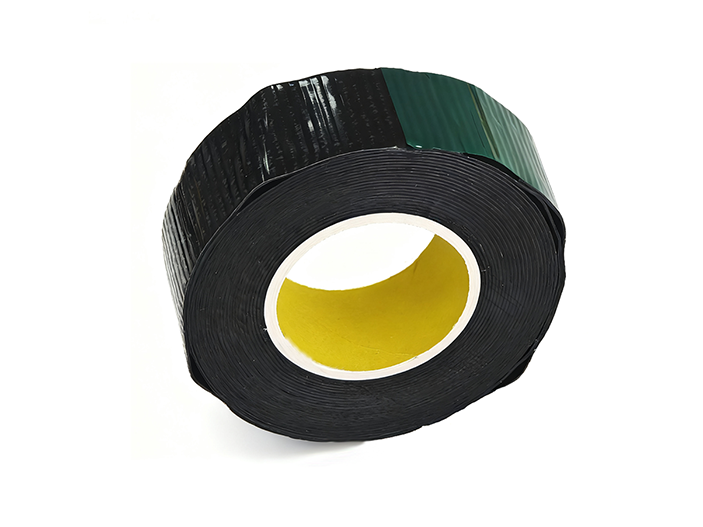
What Is a Waterproof Cable Joint Kit?
A waterproof cable joint kit is designed to prevent water, humidity, and environmental contaminants from entering the cable connection area.
These kits typically include:
Heat shrink tubing
Cold shrink sleeves
Waterproof sealing tapes
Mastic sealants
Resin compounds
Protective outer jackets
Together, these components create a sealed barrier that protects the cable joint from environmental exposure.
Why Moisture Is Dangerous for Cable Joints
Electrical systems and moisture are a dangerous combination.
When water enters a cable joint, it can cause several serious problems:
Insulation degradation
Electrical leakage
Corrosion of conductors
Increased electrical resistance
Short circuits
Partial discharge
Overheating
Power interruptions
In medium and high voltage systems, even small amounts of moisture can significantly reduce insulation performance and increase the risk of electrical failure.
How Waterproof Sealing Improves Cable Joint Reliability
1. Preventing Water Ingress
The primary purpose of waterproof sealing is to block moisture from reaching the cable conductors and insulation layers.
Effective sealing systems protect against:
Rainwater
Groundwater
Humidity
Condensation
Flooding conditions
Chemical liquids
This protection is especially important for underground and outdoor cable installations.
2. Protecting Insulation Integrity
Cable insulation is essential for safe electrical operation.
Moisture can weaken insulation materials and reduce dielectric strength, leading to:
Electrical leakage
Insulation breakdown
Short circuits
Arc faults
Waterproof sealing helps maintain insulation stability and extends the service life of the cable joint.
3. Reducing Corrosion Risks
Moisture exposure can cause metal conductors and connectors to corrode over time.
Corrosion may result in:
Increased resistance
Poor electrical conductivity
Overheating
Mechanical weakness
Waterproof cable joint kits help isolate metallic components from moisture and oxygen, reducing corrosion-related failures.
4. Preventing Partial Discharge
In medium and high voltage systems, moisture inside the cable joint can create localized electrical stress points.
This may lead to partial discharge, which gradually damages insulation materials.
Proper waterproof sealing helps maintain a dry and stable environment inside the cable joint, reducing the risk of:
Partial discharge
Electrical tracking
Premature insulation aging
5. Improving Operational Safety
Water intrusion increases the likelihood of dangerous electrical faults.
Poorly sealed cable joints may lead to:
Electric shock hazards
Equipment failure
Fire risks
Unexpected power outages
Reliable waterproof sealing improves overall electrical safety and reduces maintenance risks.
Common Waterproof Sealing Technologies
Heat Shrink Sealing Technology
Heat shrink cable joint kits use heat-applied tubing that tightly conforms to the cable surface.
Advantages include:
Strong environmental sealing
High mechanical protection
Excellent insulation performance
Long-term durability
Adhesive-lined heat shrink tubing provides additional moisture protection.
Cold Shrink Sealing Technology
Cold shrink cable joint kits use elastic pre-expanded sleeves that automatically contract around the cable.
Benefits include:
Faster installation
No open flame required
Uniform sealing pressure
Excellent flexibility
Cold shrink technology is widely used in telecom and utility applications.
Resin Sealing Systems
Resin cable joint kits encapsulate the connection using insulating resin compounds.
These systems provide:
Exceptional waterproofing
Strong mechanical strength
Excellent underground protection
Resin kits are commonly used in submerged and buried cable installations.
Mastic and Sealing Tapes
Mastic tapes and waterproof sealing compounds fill gaps and improve sealing performance around irregular cable surfaces.
These materials help prevent:
Moisture migration
Air gaps
Water penetration
They are often combined with heat shrink or cold shrink systems.
Applications That Require Waterproof Cable Joint Kits
Underground Cable Networks
Buried cables are constantly exposed to groundwater and soil moisture.
Waterproof cable joints help prevent long-term moisture damage.
Outdoor Power Distribution
Outdoor electrical systems face rain, humidity, and temperature fluctuations.
Proper sealing protects cable joints from environmental exposure.
Renewable Energy Systems
Solar farms and wind power installations require weather-resistant cable connections for reliable outdoor performance.
Marine and Offshore Applications
Saltwater environments are highly corrosive.
Waterproof and corrosion-resistant cable joints are critical for marine electrical systems.
Industrial Facilities
Factories may expose cable joints to:
Water
Oils
Chemicals
Steam
High humidity
Reliable sealing improves operational durability and safety.
Importance of IP Ratings in Waterproof Cable Joint Kits
Ingress Protection (IP) ratings indicate the level of protection against solids and liquids.
Common waterproof ratings include:
IP67 – Dust-tight and protected against temporary immersion
IP68 – Dust-tight and protected against continuous immersion
Higher IP ratings are recommended for underground and outdoor installations.
Common Causes of Waterproof Sealing Failure
Even high-quality cable joint kits may fail if improperly installed.
Common causes include:
Incorrect Installation
Improper heat application or sealing component positioning can create gaps.
Damaged Sealing Materials
Cuts, tears, or contamination may weaken waterproof protection.
Poor Cable Preparation
Dirty or uneven cable surfaces reduce sealing effectiveness.
Aging and Environmental Exposure
UV radiation, temperature cycling, and chemicals may degrade sealing materials over time.
How to Ensure Proper Waterproof Sealing
To maximize waterproof performance:
Use certified cable joint kits
Follow manufacturer installation guidelines
Clean cable surfaces thoroughly
Use proper installation tools
Avoid contamination during installation
Inspect seals carefully after installation
Professional installation greatly improves sealing reliability.
Benefits of Waterproof Cable Joint Kits
High-quality waterproof cable joint kits provide:
Longer cable lifespan
Reduced maintenance costs
Improved electrical safety
Better insulation performance
Lower failure rates
Increased system reliability
Enhanced environmental protection
These benefits are especially important in mission-critical infrastructure.
Future Trends in Waterproof Cable Joint Technology
As electrical systems become more advanced, waterproof sealing technologies continue to improve.
Key innovations include:
Advanced Polymer Materials
New materials offer improved flexibility, UV resistance, and chemical durability.
Smart Monitoring Systems
Sensors can detect moisture intrusion and temperature changes in real time.
Eco-Friendly Sealing Compounds
Manufacturers are developing environmentally friendly insulation and sealing materials.
Faster Installation Technologies
Modern shrink technologies reduce installation time while improving sealing consistency.
Choosing the Right Waterproof Cable Joint Kit
When selecting a waterproof cable joint kit, consider:
Voltage level
Cable size and type
Indoor or outdoor installation
Exposure to water or chemicals
Required IP rating
Mechanical stress conditions
Temperature range
Choosing products from reliable manufacturers helps ensure long-term protection and performance.
Conclusion
Waterproof sealing is one of the most important features of a cable joint kit. By preventing moisture ingress, protecting insulation, reducing corrosion, and improving operational safety, waterproof sealing helps ensure long-term electrical reliability.
Whether used in underground power networks, renewable energy systems, industrial facilities, or telecom infrastructure, properly sealed cable joints play a critical role in maintaining stable and safe electrical connections.
As electrical systems continue to expand into harsher environments, the demand for advanced waterproof cable joint solutions will continue to grow.
FAQ
Why is waterproof sealing important in cable joint kits?
Waterproof sealing prevents moisture from entering the cable joint, helping protect against insulation failure, corrosion, short circuits, and electrical outages. It is essential for long-term electrical safety and reliability.
What happens if water enters a cable joint?
Water ingress can cause:
Insulation degradation
Corrosion of conductors
Increased electrical resistance
Partial discharge
Overheating
Short circuits
Power interruptions
Over time, these issues may lead to complete cable joint failure.
What is the difference between heat shrink and cold shrink waterproof sealing?
Heat shrink sealing requires heat to shrink the tubing around the cable, while cold shrink sealing uses elastic pre-expanded materials that automatically contract without heating.
Cold shrink systems are generally faster to install and safer in confined spaces.